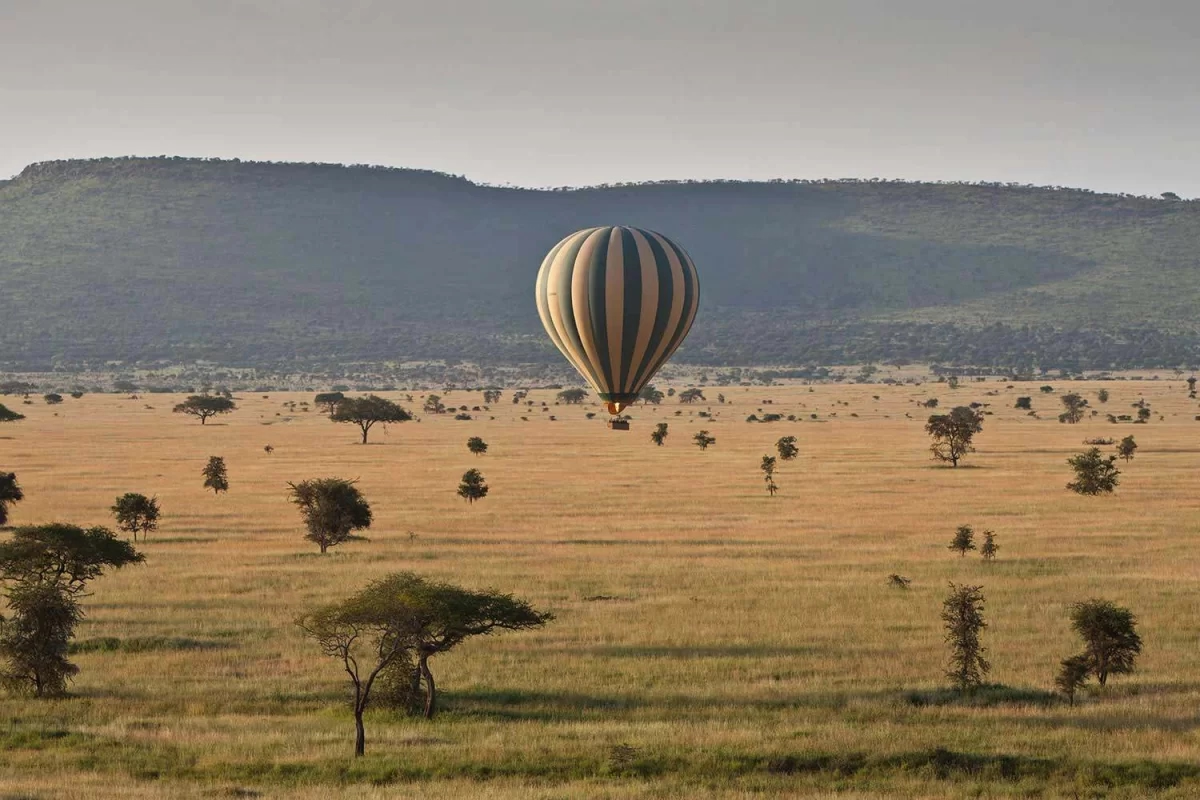
Located in northern Tanzania within the famous northern safari circuit, Tarangire National Park is one of the most beautiful and wildlife rich safari destinations in East Africa. Known for its giant elephant herds, ancient baobab trees, breathtaking landscapes, and exceptional game viewing experiences, Tarangire National Park offers travelers an authentic African safari adventure away from crowded tourist routes.
At Martial Eagle Adventures based in Arusha, Tanzania, we proudly guide travelers into the untouched wilderness of Tarangire where stunning scenery, remarkable wildlife encounters, luxury safari lodges, and unforgettable safari activities create a truly magical African experience. Whether you are planning a luxury Tanzania safari, honeymoon safari, family wildlife holiday, photography expedition, or a private African adventure, Tarangire National Park provides one of the most rewarding safari experiences in Tanzania.
The park is especially famous for its large elephant population, seasonal wildlife migration, and the life giving Tarangire River which attracts thousands of animals during the dry season. With fewer crowds compared to other major parks, Tarangire offers visitors a peaceful and immersive safari atmosphere surrounded by raw African wilderness.
The History of Tarangire National Park
The history of Tarangire National Park is closely linked to wildlife conservation and the traditional pastoral lifestyle of the Maasai communities living around the region. For generations, local communities depended on the fertile lands and seasonal water sources surrounding the Tarangire ecosystem for grazing livestock and sustaining their livelihoods.
During the colonial period, the region gained attention for its extraordinary wildlife populations and natural beauty. Conservation efforts increased throughout the twentieth century as wildlife migrations and habitats became increasingly important for ecological protection.
In 1970, Tarangire National Park was officially established as a protected national park by the Tanzanian government. The creation of the park helped preserve one of Tanzania’s most important dry season wildlife refuges and contributed significantly to wildlife conservation efforts across East Africa.
Today, Tarangire National Park is recognized internationally for its ecological importance, biodiversity, and incredible safari experiences. It remains one of Tanzania’s hidden safari gems and a favorite destination for travelers seeking authentic wildlife encounters.
Park Geography and Size
Tarangire National Park is located approximately 120 kilometers southwest of Arusha city and covers an area of around 2,850 square kilometers. The park forms part of the larger Maasai Steppe ecosystem, an important migration corridor connecting several wildlife conservation areas in northern Tanzania.
The geography of Tarangire National Park is incredibly diverse and scenic, featuring rolling savannah plains, seasonal swamps, river valleys, granite ridges, open grasslands, acacia woodlands, and dense bush landscapes. One of the park’s most iconic features is its enormous baobab trees which dominate the landscape and create dramatic safari scenery.
The Tarangire River serves as the main water source within the park and plays a vital role in supporting wildlife populations, especially during the dry season when surrounding areas become water scarce. Thousands of animals migrate into the park seeking water and fresh grazing, creating exceptional game viewing opportunities.
Key Geographical Features
• The Tarangire River ecosystem
• Massive ancient baobab trees
• Seasonal floodplains and swamps
• Acacia woodlands and savannah grasslands
• Rocky hills and scenic viewpoints
• Wildlife migration corridors
The park’s changing landscapes and seasonal variations provide travelers with unique safari experiences throughout the year.
Wildlife in Tarangire National Park
Tarangire National Park is one of the best wildlife destinations in Tanzania and is particularly famous for hosting one of the highest concentrations of elephants in East Africa. During the dry season, the park becomes a wildlife paradise as thousands of animals gather around the Tarangire River.
Famous Elephant Population
Tarangire is internationally recognized for its large elephant herds, with hundreds of elephants often seen moving together across the plains or drinking near the riverbanks. Watching these magnificent animals interact within their natural habitat is one of the most unforgettable safari experiences in Africa.
Common Wildlife Species
• African elephants
• Lions
• Leopards
• Cheetahs
• Buffaloes
• Zebras
• Giraffes
• Wildebeests
• Impalas
• Waterbucks
• Elands
• Warthogs
• Hyenas
• Jackals
• Mongooses
Tarangire is also one of the few national parks in Tanzania where visitors may encounter unique wildlife species such as:
• Fringe eared oryx
• Greater kudu
• African wild dogs occasionally
• Gerenuk antelopes
The park offers excellent predator sightings, especially during the dry season when animals gather near water sources.
Birdlife in Tarangire National Park
Tarangire National Park is considered one of Tanzania’s top birdwatching destinations with over 550 recorded bird species. The park’s varied habitats attract both resident and migratory birds throughout the year.
Common Bird Species
• Yellow collared lovebirds
• Kori bustards
• Secretary birds
• Ostriches
• Martial eagles
• Hornbills
• Vultures
• Bee eaters
• Lilac breasted rollers
Birdwatching safaris in Tarangire are especially rewarding during the green season when migratory bird species arrive in large numbers.
Accessibility to Tarangire National Park
Tarangire National Park is one of the most accessible national parks in northern Tanzania, making it an ideal safari destination for travelers arriving through Arusha or Kilimanjaro International Airport.
Road Accessibility
The park is easily reachable by road from:
• Arusha city
• Kilimanjaro International Airport
• Lake Manyara National Park
• Ngorongoro Conservation Area
Most safari travelers visit Tarangire as part of Tanzania’s famous northern safari circuit which includes Serengeti National Park and the Ngorongoro Crater.
Air Accessibility
For luxury travelers and fly in safaris, small aircraft flights are available to nearby airstrips serving the Tarangire ecosystem.
At Martial Eagle Adventures, we organize customized safari transfers, private guided safaris, luxury lodge stays, and personalized safari itineraries to ensure a seamless and unforgettable Tarangire experience.
Best Time to Visit Tarangire National Park
Tarangire National Park can be visited throughout the year, but different seasons offer unique safari experiences and wildlife viewing opportunities.
Best Safari Seasons
• June to October for dry season wildlife viewing
• November to May for green scenery and birdwatching
• January to March for lush landscapes and fewer crowds
The dry season is particularly spectacular because wildlife gathers around the Tarangire River, making animal sightings easier and more dramatic.
Safari Activities in Tarangire National Park
Tarangire National Park offers a variety of exciting safari activities suitable for nature lovers, photographers, honeymoon travelers, and adventure seekers.
Popular Safari Activities
• Morning game drives
• Afternoon game drives
• Full day wildlife safaris
• Birdwatching tours
• Walking safaris in designated areas
• Cultural visits to Maasai communities
• Photography safaris
• Luxury bush lunches and dinners
Game drives in Tarangire provide excellent opportunities to witness close wildlife encounters while exploring some of Tanzania’s most beautiful landscapes.
Accommodation in Tarangire National Park
Tarangire National Park offers a wide range of accommodation options designed to suit every travel style and safari budget.
Accommodation Categories
• Luxury safari lodges
• Premium tented camps
• Midrange safari camps
• Eco friendly lodges
• Budget camping sites
Many accommodations are strategically located near wildlife areas and scenic viewpoints, allowing guests to enjoy breathtaking sunrise and sunset safari experiences.
Conservation Importance of Tarangire National Park
Tarangire National Park plays a critical role in Tanzania’s wildlife conservation efforts by protecting important migration routes and supporting large populations of elephants and other wildlife species.
Major Conservation Priorities
• Elephant conservation
• Wildlife corridor protection
• Habitat preservation
• Anti poaching operations
• Sustainable tourism development
• Community based conservation projects
Responsible safari tourism helps support environmental conservation while improving the livelihoods of local communities surrounding the park.
Why Visit Tarangire National Park
Tarangire National Park is one of Tanzania’s most rewarding safari destinations and offers a more peaceful and intimate safari experience compared to larger and busier parks.
Visitors can enjoy:
• Massive elephant herds
• Stunning baobab tree landscapes
• Excellent wildlife photography opportunities
• Rich birdlife and birdwatching safaris
• Authentic African wilderness experiences
• Luxury safari lodges and camps
• Fewer crowds and exclusive safari experiences
• Incredible predator sightings
Whether you are visiting Tanzania for a family safari holiday, honeymoon adventure, wildlife photography expedition, or luxury African safari, Tarangire National Park provides unforgettable memories and world class safari experiences.
Explore Tarangire National Park with Martial Eagle Adventures
At Martial Eagle Adventures in Arusha, Tanzania, we specialize in professionally guided Tarangire safaris, luxury Tanzania wildlife holidays, family safaris, honeymoon safari packages, and personalized African travel experiences. Our experienced safari guides, carefully selected accommodations, and customized safari itineraries ensure every traveler experiences the very best of Tarangire National Park.
From breathtaking elephant encounters to peaceful sunsets overlooking the savannah, Martial Eagle Adventures is dedicated to delivering exceptional safari adventures across Tarangire National Park and Tanzania’s most iconic wildlife destinations.