Preparing for Mountain Climbing
Home Preparing for Mountain Climbing
Preparing For Mountain Climbing
with Martial Eagle Adventures

Mountain climbing is one of the most rewarding outdoor adventures in the world. From the breathtaking landscapes to the personal achievement of reaching the summit, climbing creates unforgettable memories for travelers seeking adventure, nature, and cultural experiences. Tanzania is home to some of Africa’s most iconic mountains, including Mount Kilimanjaro and Mount Meru, attracting thousands of climbers every year.
At Martial Eagle Adventures, we believe that proper preparation is the foundation of a successful mountain climbing experience. Whether you are planning your first trekking adventure or preparing for a high altitude expedition, understanding how to prepare physically, mentally, and practically is essential for safety, comfort, and summit success.
This detailed guide will help you understand everything you need to know before starting your mountain climbing journey in Tanzania.

Why Proper Preparation for Mountain Climbing Matters
Many travelers underestimate the challenges of mountain trekking and high altitude climbing. While mountains such as Kilimanjaro are non technical climbs, they still require endurance, determination, and careful preparation.
Proper mountain climbing preparation helps you:
- Improve your physical endurance
- Reduce the risk of altitude sickness
- Stay warm and comfortable during the trek
- Increase your chances of reaching the summit
- Enjoy the experience without unnecessary stress
- Stay safe in changing mountain weather conditions
- Protect your health during high altitude trekking
A well prepared climber enjoys the adventure more confidently and safely.
Understanding Mountain Climbing in Tanzania
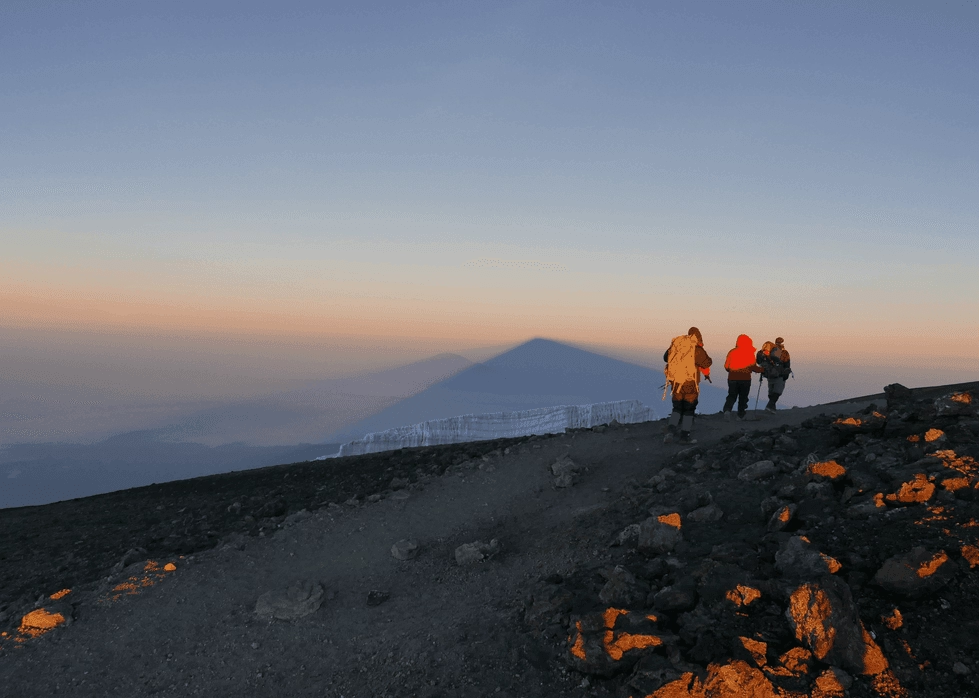
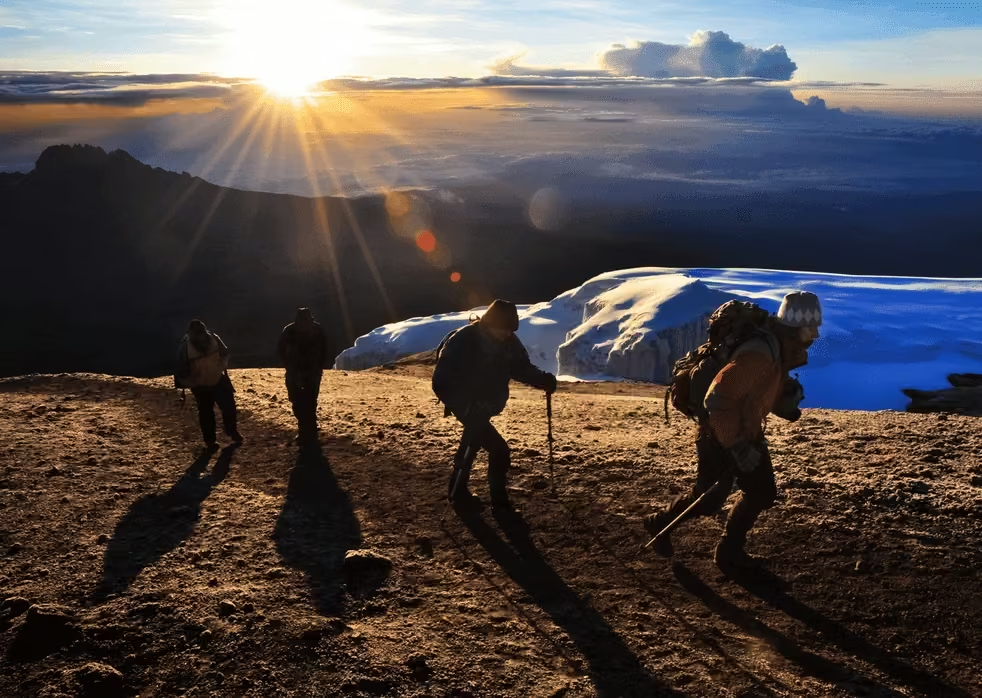
Tanzania offers some of the best mountain trekking adventures in Africa, combining spectacular landscapes, experienced mountain guides, rich wildlife, and unique cultural experiences for travelers seeking unforgettable adventures.
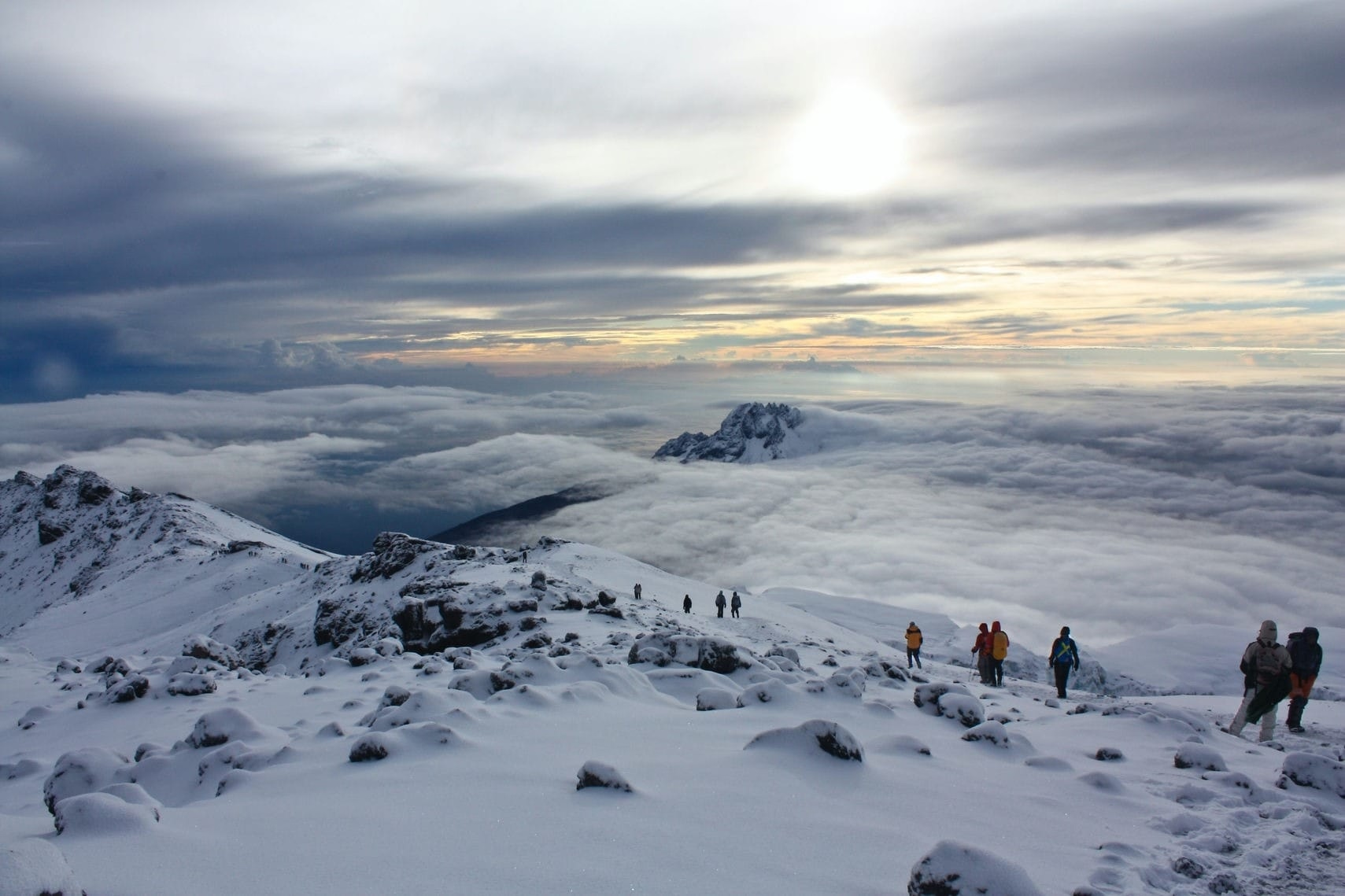
Mount Kilimanjaro is the highest mountain in Africa, standing at approximately 5,895 meters above sea level. It is one of the world’s most famous trekking destinations and offers popular climbing routes such as Machame, Lemosho, Marangu, Rongai, and the Northern Circuit.
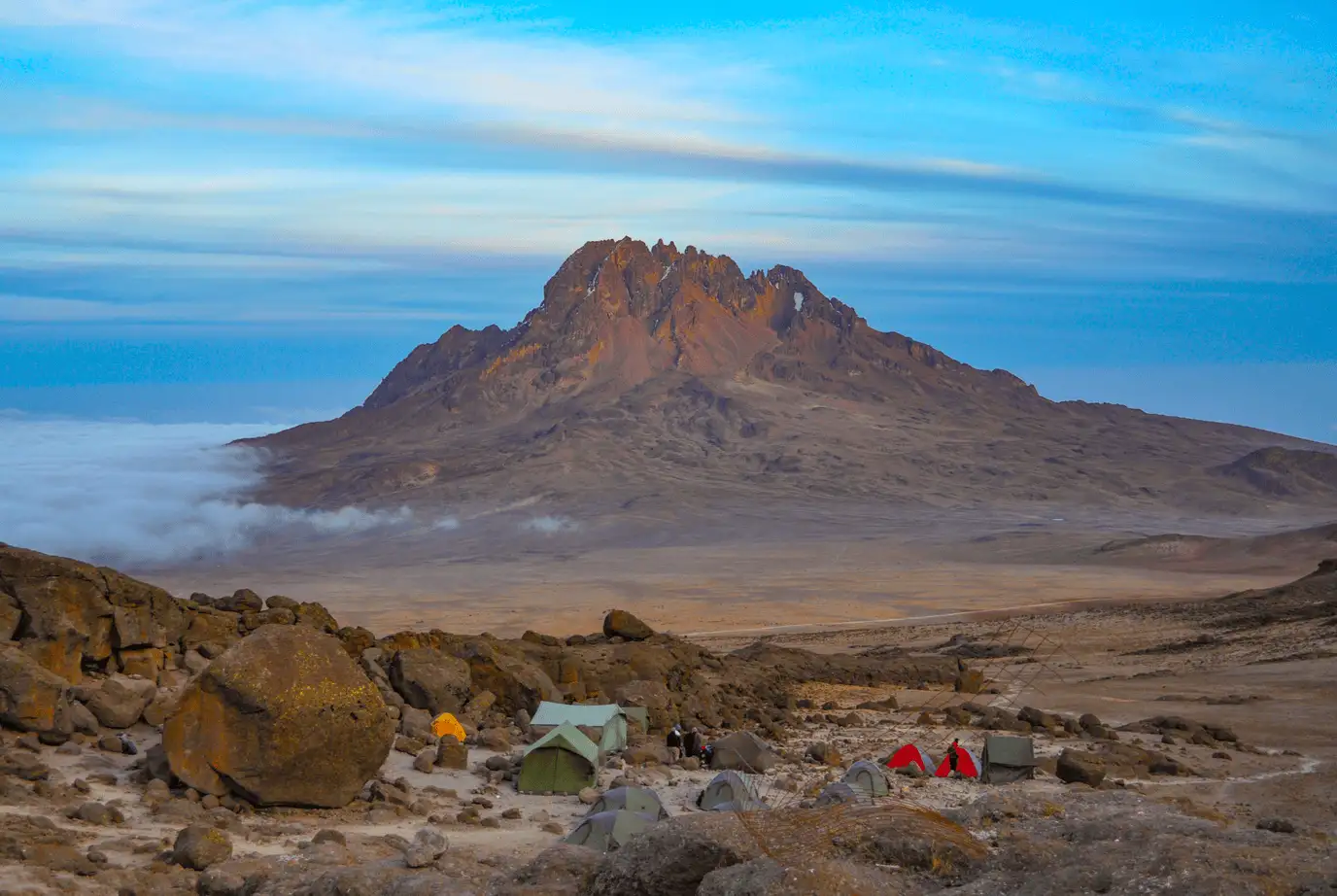
Mount Meru is Tanzania’s second highest mountain and is known for its beautiful scenery, wildlife encounters, and excellent acclimatization opportunities before climbing Kilimanjaro.
Physical Preparation for Mountain Climbing
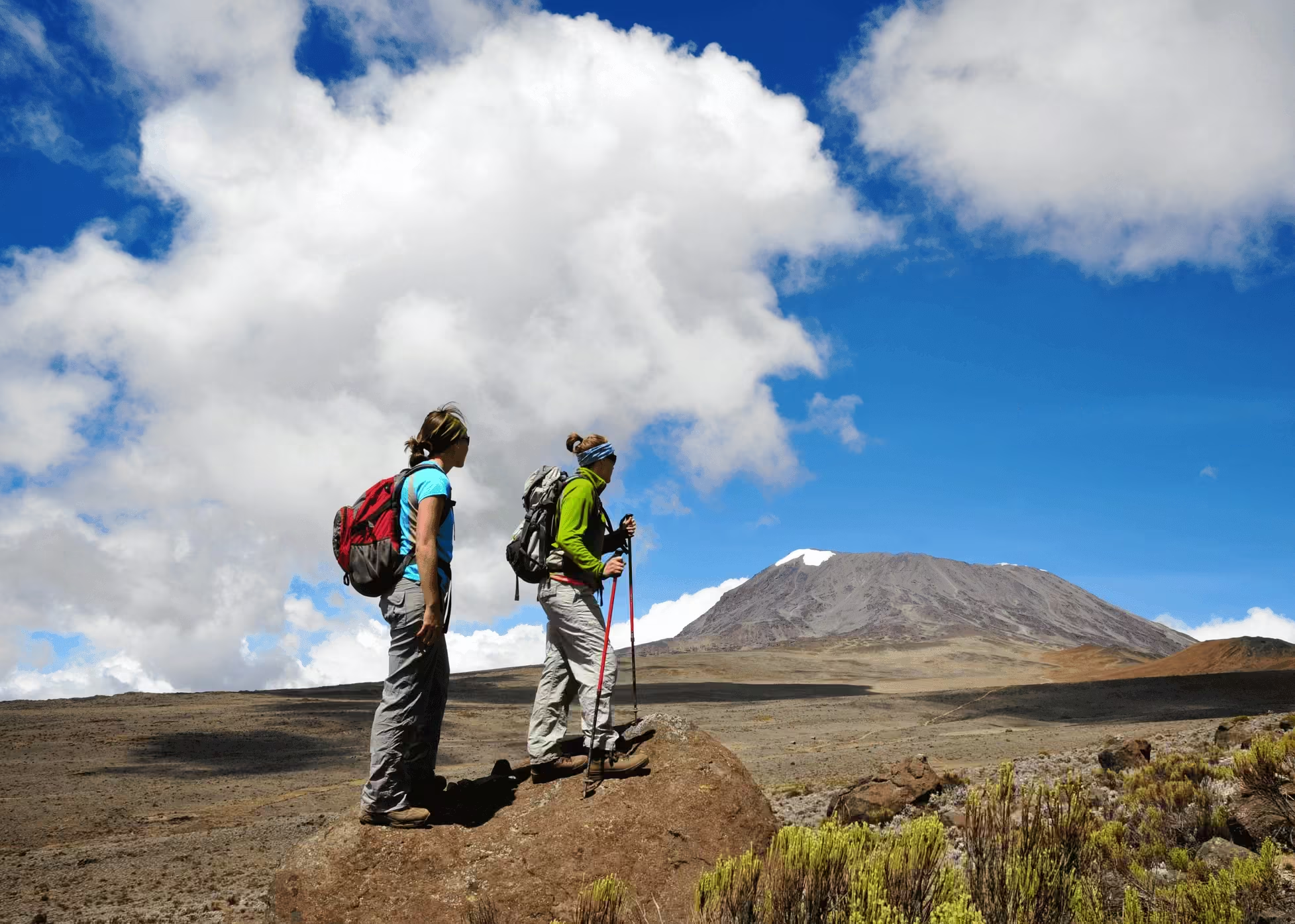
Mountain climbing requires good physical fitness because trekking involves walking for several hours each day at different altitudes. Preparing your body before the climb helps improve endurance and reduces fatigue during the trek.
It is recommended to begin training at least several weeks before your climb. Activities such as hiking, jogging, stair climbing, and light strength training can help prepare your body for mountain conditions and long trekking days.
Mental Preparation
Mental preparation is just as important as physical fitness. Mountain climbing can be challenging due to cold weather, changing conditions, and long walking hours. Staying positive and patient helps climbers remain motivated throughout the journey.
Climbers should understand that reaching the summit takes determination, discipline, and a steady pace. A positive mindset greatly improves the overall mountain climbing experience.
Understanding Altitude Sickness
High altitude can affect climbers differently, especially on mountains such as Kilimanjaro. Some travelers may experience headaches, dizziness, tiredness, or difficulty sleeping as they gain elevation.
To reduce the risk of altitude sickness, climbers should walk slowly, stay hydrated, eat properly, and listen carefully to their mountain guides. Proper acclimatization is one of the keys to a successful summit.
Mountain Climbing Equipment
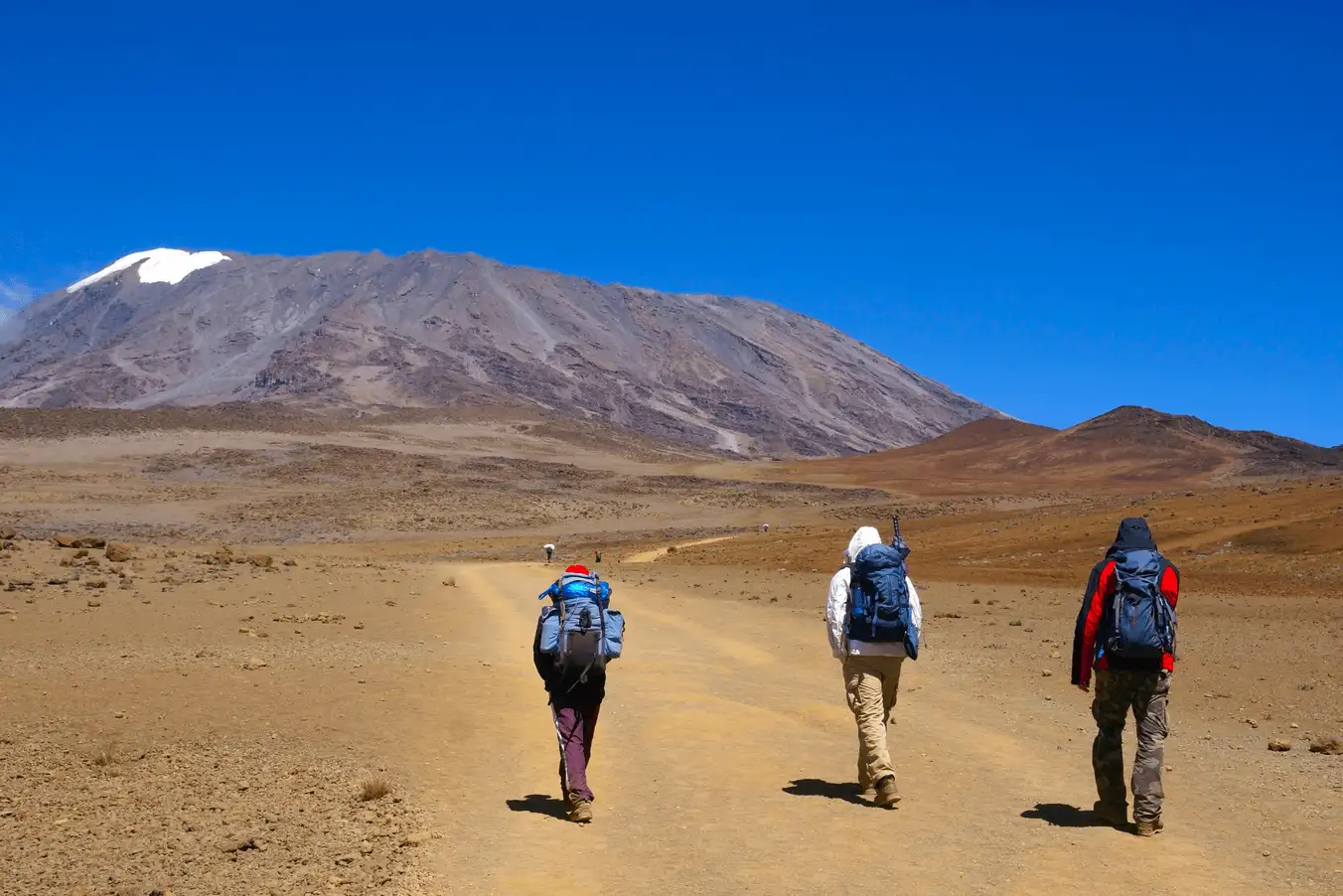
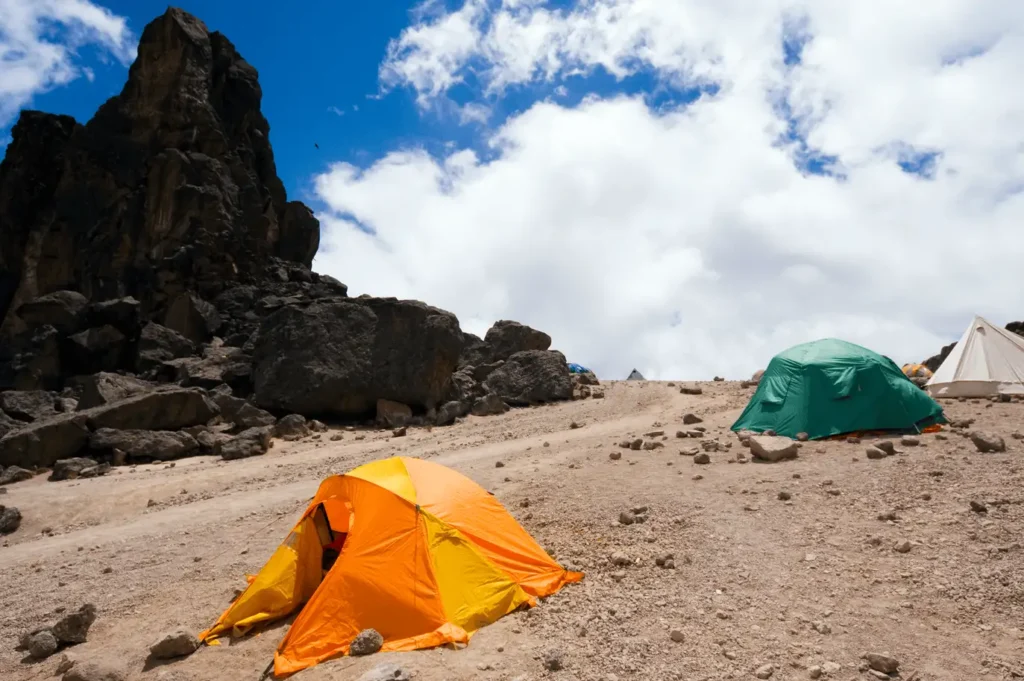
Having the right mountain climbing equipment is essential for comfort and safety during the trek. Temperatures on the mountain can change quickly, especially during summit night when conditions become extremely cold.
Important climbing equipment includes warm clothing layers, waterproof jackets, hiking boots, gloves, trekking poles, sleeping bags, backpacks, sunglasses, and headlamps. Quality gear helps climbers stay warm, dry, and comfortable throughout the expedition.
Nutrition and Hydration
Your body uses a lot of energy during mountain climbing, making proper nutrition very important. Eating balanced meals and drinking enough water helps maintain strength and energy during the trek.
Climbers are encouraged to drink plenty of water every day and avoid dehydration at high altitude. Good hydration also helps reduce the effects of altitude sickness.
Choosing the Best Time to Climb
Tanzania offers mountain climbing opportunities throughout the year, but the dry seasons are usually the best times for trekking. Clear skies and stable weather conditions make the climbing experience more enjoyable.
The most popular climbing seasons are from January to March and from June to October. These months usually provide better trekking conditions and beautiful mountain views.
Importance of Professional Guides
Climbing with an experienced mountain trekking company improves safety and comfort during the expedition. Professional guides help climbers navigate the routes, monitor health conditions, and provide support throughout the journey.
At Martial Eagle Adventures, our experienced mountain team is dedicated to providing safe, professional, and memorable climbing adventures for travelers visiting Tanzania.
Responsible Mountain Climbing
Protecting Tanzania’s mountains is very important for sustainable tourism. Climbers are encouraged to respect nature, avoid littering, and follow park regulations during the expedition.
Responsible mountain climbing helps preserve the beauty of Tanzania’s natural environment for future generations and supports local communities that depend on tourism.
Download Your Mountain Climbing Equipment Checklist
Preparing the correct gear before your climb is extremely important. We encourage all travelers to download our detailed PDF equipment checklist containing essential mountain climbing gear, clothing recommendations, and packing guidance for trekking in Tanzania.
This checklist will help you prepare confidently and avoid missing important items before your adventure begins.

Practical Info

Preparing for a Safari
Preparing for Mountain Climbing
Visa in Tanzania
Conservation In Tanzania
Weather In Tanzania
Read Reviews

Follow us
- Martial Eagle Adventures
- @martialeagleadventures
- +255 652 283 399
- +255 652 283 399
- sales@martialeagleadventures.com
- Arusha, Tanzania
We Accept