
Conservation In Tanzania
Home Conservation In Tanzania
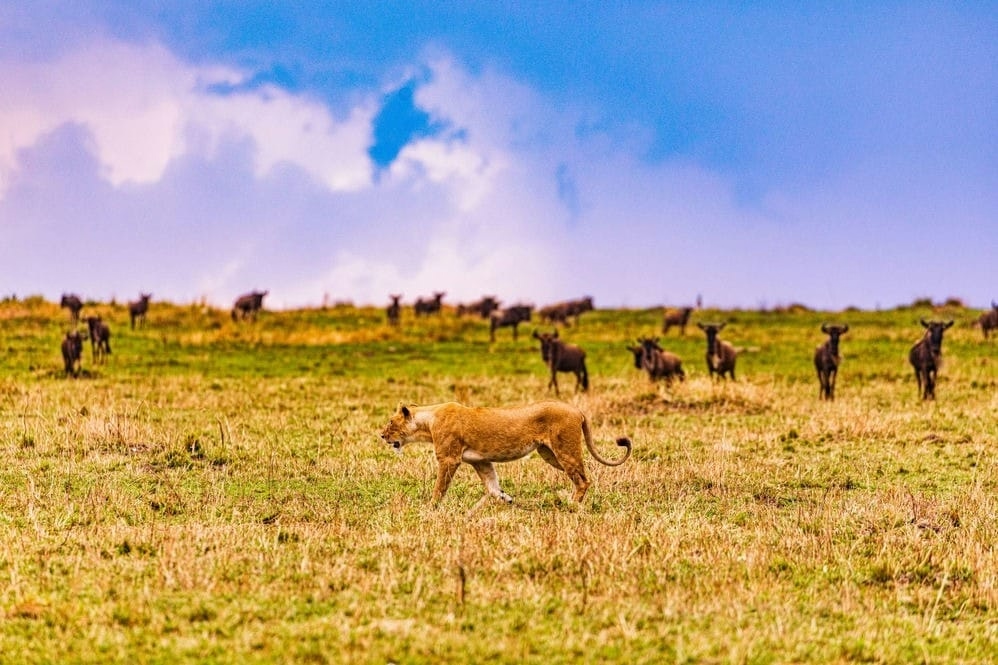
About Conservation In tanzania

Tanzania is internationally recognized as one of Africa’s leading destinations for wildlife conservation, nature protection, and sustainable tourism. The country is home to some of the world’s most famous national parks, conservation areas, marine reserves, forests, mountains, and wildlife ecosystems. Conservation in Tanzania plays a vital role in protecting endangered species, preserving natural habitats, supporting local communities, and promoting eco tourism for future generations.
At Martial Eagle Adventures located in Arusha, Tanzania, we believe that responsible tourism and conservation work together to create unforgettable travel experiences while protecting the country’s natural heritage. Tourists visiting Tanzania not only enjoy spectacular safaris and landscapes but also contribute directly to wildlife conservation and environmental protection through tourism activities.
Tanzania’s conservation efforts help protect millions of wild animals including elephants, lions, rhinos, giraffes, cheetahs, zebras, wildebeests, chimpanzees, and many bird species. The country continues to invest heavily in sustainable tourism, anti poaching programs, wildlife management, and community based conservation initiatives.
Wildlife Conservation Areas In Tanzania
Tanzania contains an impressive network of protected areas that cover a large percentage of the country’s land. These conservation areas are designed to preserve wildlife populations, migration routes, ecosystems, forests, and natural resources.
Some of the most important conservation destinations in Tanzania include:
• Serengeti National Park
• Ngorongoro Conservation Area
• Tarangire National Park
• Ruaha National Park
• Nyerere National Park
• Mount Kilimanjaro
• Lake Manyara National Park
These protected ecosystems support wildlife migration, breeding grounds, and biodiversity conservation. The parks also create opportunities for scientific research, photography safaris, cultural tourism, and environmental education.
Importance Of Protected Areas
• Protect endangered wildlife species
• Preserve natural habitats and ecosystems
• Support sustainable tourism in Tanzania
• Generate employment opportunities for local communities
• Promote environmental education and awareness
• Help maintain ecological balance
The protected areas of Tanzania attract thousands of tourists every year, making conservation tourism one of the country’s most important economic sectors.
Wildlife Protection And Anti Poaching Efforts
One of the biggest conservation priorities in Tanzania is wildlife protection. The government, conservation organizations, park authorities, and local communities work together to fight illegal hunting and wildlife trafficking.
Anti poaching programs have become increasingly important in protecting species such as elephants and rhinos. Conservation teams use modern technology, ranger patrols, aerial surveillance, and community partnerships to monitor wildlife and reduce illegal activities.
Major Wildlife Threats In Tanzania
• Illegal poaching
• Habitat destruction
• Human wildlife conflict
• Climate change
• Deforestation
• Illegal wildlife trade
Despite these challenges, Tanzania continues to make significant progress in wildlife conservation through stronger laws, improved conservation policies, and increased public awareness.
Conservation Success Stories
Several wildlife populations in Tanzania have shown positive recovery due to conservation efforts. Elephant populations in some protected areas are improving, and black rhino conservation projects continue to receive strong protection and monitoring.
Tourism also plays a major role in funding conservation activities because park fees and safari tourism contribute directly to wildlife protection and park management.
Community Based Conservation In Tanzania
Community involvement is one of the most important aspects of successful conservation in Tanzania. Many local communities living near national parks and wildlife areas participate directly in conservation activities and benefit from tourism revenue.
Community based conservation programs help local people understand the value of protecting wildlife and natural resources while improving their quality of life.
Benefits Of Community Conservation Programs
• Employment opportunities in tourism
• Cultural tourism development
• Education support projects
• Healthcare improvements
• Infrastructure development
• Sustainable use of natural resources
In northern Tanzania, many Maasai communities work closely with conservation authorities and safari companies to preserve wildlife corridors and protect grazing lands.
Tourists visiting Tanzania often enjoy cultural experiences that promote conservation awareness while supporting local villages and traditional lifestyles.
Weather In Zanzibar And Coastal Tanzania
Coastal Tanzania and Zanzibar experience warm tropical weather almost throughout the year. Destinations such as Zanzibar, Dar es Salaam, Pangani, and Bagamoyo are usually hot and humid with refreshing ocean breezes.
The best time to visit Zanzibar is during the dry months when the beaches become perfect for:
• Swimming
• Snorkeling
• Diving
• Kitesurfing
• Beach relaxation
• Sunset dhow cruises
Temperatures along the coast can range between 25°C and 33°C.
Environmental Conservation And Sustainable Tourism
Environmental conservation in Tanzania goes beyond wildlife protection. The country also focuses on protecting forests, rivers, mountains, wetlands, and marine ecosystems.
Sustainable tourism helps minimize environmental impact while ensuring future generations can continue enjoying Tanzania’s natural beauty. Responsible travel practices are strongly encouraged across safari parks, mountain trekking routes, and beach destinations.
Sustainable Tourism Practices In Tanzania
• Eco friendly safari camps and lodges
• Waste management programs
• Solar powered accommodations
• Water conservation initiatives
• Responsible wildlife viewing
• Plastic reduction campaigns
Tourists are encouraged to travel responsibly by respecting wildlife, following park regulations, reducing waste, and supporting environmentally friendly tourism businesses.
Mount Kilimanjaro conservation efforts also focus on reducing pollution, protecting mountain forests, and preserving fragile alpine ecosystems visited by thousands of climbers each year.
Marine conservation programs in Zanzibar and coastal Tanzania help protect coral reefs, sea turtles, dolphins, and other marine species from environmental damage and overfishing.
The Future Of Conservation In Tanzania
The future of Tanzania’s tourism industry depends heavily on successful conservation efforts. Protecting wildlife and natural ecosystems ensures that future travelers can continue experiencing the country’s incredible biodiversity and landscapes.
Conservation organizations, tourism companies, local communities, and government authorities continue working together to improve wildlife management, environmental protection, and sustainable tourism practices across Tanzania.
How Tourists Can Support Conservation
• Choose responsible safari operators
• Respect wildlife viewing guidelines
• Avoid littering in protected areas
• Support local conservation projects
• Stay in eco friendly accommodations
• Learn about Tanzania’s ecosystems and cultures
Every safari, mountain climb, and cultural tour contributes to conservation through tourism revenue and environmental awareness.
At Martial Eagle Adventures, we proudly support responsible tourism and conservation initiatives throughout Tanzania. Our goal is to provide unforgettable safari and travel experiences while helping preserve the country’s wildlife, landscapes, and cultural heritage for future generations.
Discover the beauty of Tanzania with Martial Eagle Adventures and become part of the ongoing journey to protect Africa’s most extraordinary natural treasures.

Practical Info

Preparing for a Safari
Preparing for Mountain Climbing
Visa in Tanzania
Conservation In Tanzania
Weather In Tanzania
Read Reviews

Follow us
- Martial Eagle Adventures
- @martialeagleadventures
- +255 652 283 399
- +255 652 283 399
- sales@martialeagleadventures.com
- Arusha, Tanzania
We Accept