
Selous Game Reserve (Nyerere National Park)

About Selous Game Reserve (Nyerere National Park)

Discover Nyerere National Park and the Greater Selous Ecosystem With Martial Eagle Adventures
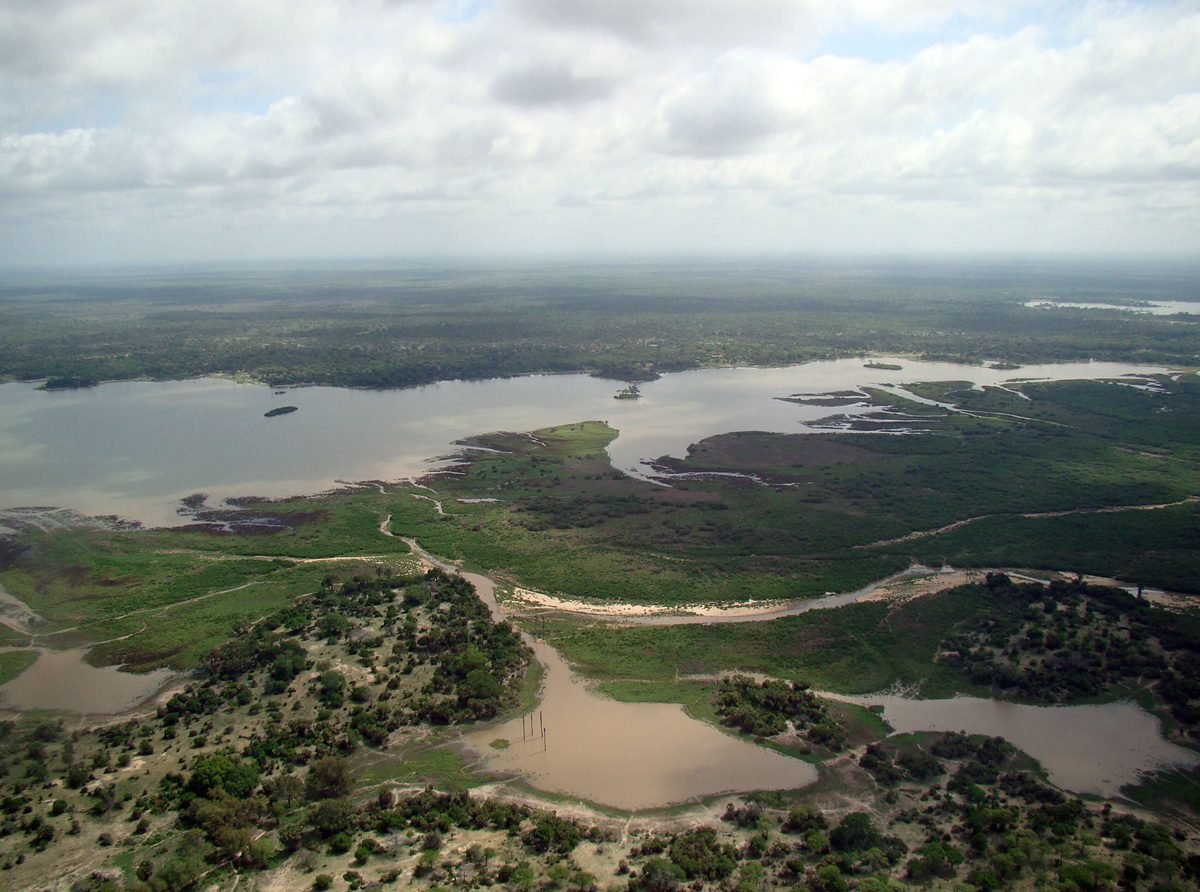
Across the immense wilderness of southern Tanzania lies one of Africa’s greatest protected landscapes, historically known worldwide as the Selous Game Reserve and today encompassing the magnificent Nyerere National Park alongside the remaining Selous protected areas. This vast ecosystem of rivers, lakes, miombo woodland, palm fringed channels and open grasslands offers a safari experience that feels dramatically different from the famous plains of northern Tanzania.
For travelers researching the Selous Game Reserve or Nyerere National Park, it is important to understand the modern geography of the destination. The historical Selous Game Reserve once covered an enormous continuous protected landscape. In 2019, a substantial northern section was designated as Nyerere National Park, creating one of Africa’s largest national parks while the Selous Game Reserve continued to exist across other parts of the wider ecosystem.
Today, Nyerere National Park is the principal photographic tourism destination associated with what many travelers still informally call a Selous safari. The destination is famous for its combination of traditional game drives with Rufiji River boat safaris, walking safaris, birdwatching and wilderness experiences.
The great Rufiji River is the lifeblood of this landscape. It winds through the wilderness in a network of channels, lakes, sandbanks and wetlands that support hippos, crocodiles, elephants, buffaloes, antelopes and exceptional birdlife. Lions patrol the plains, leopards move through woodland and the wider ecosystem remains important habitat for the endangered African wild dog.
For travelers searching for a Southern Tanzania safari in 2026, Nyerere offers something increasingly valuable: enormous wilderness, diverse safari activities and a comparatively uncrowded atmosphere.
At Martial Eagle Adventures, based in Arusha, Tanzania, we create customized Nyerere National Park safaris for couples, families, photographers, honeymooners and adventurous travelers seeking a deeper exploration of Tanzania beyond the conventional safari routes.
History of Selous Game Reserve and Nyerere National Park
The history of this remarkable wilderness stretches back centuries, long before the creation of modern conservation boundaries.
Communities lived throughout southern Tanzania and interacted with its rivers, forests and wildlife through fishing, agriculture, trade and traditional livelihoods. During the colonial period, portions of the region gradually became subject to formal wildlife protection.
The protected area expanded over time and eventually became known as Selous Game Reserve, named after Frederick Courteney Selous, a British explorer and hunter associated with East and southern Africa during the nineteenth and early twentieth centuries.
Over subsequent decades, Selous developed into one of the largest protected wildlife landscapes in Africa.
Its ecological importance was internationally recognized when the reserve became a UNESCO World Heritage Site in 1982, reflecting the significance of its extensive wilderness and wildlife populations.
A major administrative transformation occurred in 2019, when a large northern portion of the historical Selous Game Reserve was designated Nyerere National Park.
The national park was named after Julius Kambarage Nyerere, the founding president of independent Tanzania.
This change means travelers will encounter both names when researching the destination.
The distinction is important:
- Selous Game Reserve is the historic name associated with the enormous protected ecosystem
- Nyerere National Park was created from a substantial portion of the former Selous Game Reserve in 2019
- The remaining Selous Game Reserve continues outside the national park boundaries
- Most conventional photographic safari itineraries marketed to international visitors focus on Nyerere National Park
- The broader landscape remains part of one of southern Tanzania’s most important conservation ecosystems
Today, Nyerere has become a flagship destination of the Southern Tanzania Safari Circuit, combining classic wildlife viewing with river based adventures that are difficult to experience in most northern Tanzanian parks.
Geography Size and Ecology of Nyerere National Park
Nyerere National Park covers approximately 30,000 square kilometers, making it one of the largest national parks in Africa.
The wider historical Selous ecosystem extends beyond the national park, creating an even larger conservation landscape.
The enormous geographical scale allows wildlife to move across extensive areas with relatively little human disturbance.
Major habitats include:
- Miombo woodland
- Open grasslands
- Riverine forest
- Seasonal floodplains
- Lakes
- Wetlands
- Palm fringed river channels
- Acacia woodland
- Dry savannah
- Sand rivers
- Rocky areas
This diversity supports an impressive range of mammals, reptiles, birds, fish and plant life.
The Rufiji River
The Rufiji River is the defining geographical feature of Nyerere National Park.
It is Tanzania’s largest river system and flows eastward toward the Indian Ocean.
Within Nyerere, the river creates an extraordinary landscape of:
- Channels
- Sandbanks
- Lagoons
- Lakes
- Wetlands
- Riverine forests
- Islands
The river provides permanent water and supports immense ecological productivity.
Animals frequently seen around the Rufiji ecosystem include:
- Hippopotamuses
- Nile crocodiles
- African elephants
- Buffaloes
- Waterbucks
- Impalas
- Giraffes
- Various antelopes
The river also supports exceptional concentrations of waterbirds.
For visitors, the Rufiji creates one of Nyerere’s greatest advantages over many traditional safari destinations: the opportunity to experience wildlife from the water.
Lakes and Wetlands
A series of lakes and channels associated with the Rufiji River creates some of the park’s most productive wildlife viewing areas.
These aquatic habitats attract:
- Hippos
- Crocodiles
- Elephants
- Buffaloes
- Waterbirds
- Antelopes
- Predators searching for prey
The combination of water and open terrain also creates outstanding photography opportunities, especially during early mornings and late afternoons.
Miombo Woodland
Large portions of Nyerere National Park are covered by miombo woodland.
This widespread southern African ecosystem is characterized by woodland species adapted to pronounced wet and dry seasons.
Miombo provides important habitat for:
- Elephants
- African wild dogs
- Leopards
- Antelopes
- Birds
- Smaller mammals
The woodland gives Nyerere a completely different visual character from the open grasslands of Serengeti.
Wildlife of Nyerere National Park
Nyerere supports an impressive diversity of African wildlife.
The park’s enormous size means wildlife can be widely dispersed, but productive areas around rivers, lakes and floodplains provide excellent game viewing.
Common large mammals include:
- African elephants
- African buffaloes
- Masai giraffes
- Zebras
- Wildebeest
- Impalas
- Waterbucks
- Greater kudus
- Elands
- Warthogs
- Hippos
Predators include:
- Lions
- Leopards
- Spotted hyenas
- African wild dogs
Nyerere is particularly significant as part of a wider landscape supporting African wild dogs, one of Africa’s most endangered and fascinating carnivores.
African Wild Dogs
For serious wildlife enthusiasts, African wild dogs are among the most exciting animals associated with southern Tanzania.
Also known as painted dogs, these highly social predators live and hunt cooperatively in packs.
They are renowned for:
- Complex social relationships
- Cooperative hunting
- Strong family bonds
- Distinctive coat patterns
- Large ranging territories
Sightings cannot be guaranteed because packs can travel considerable distances, but encountering African wild dogs is one of the highlights of a Nyerere safari.
Lions and Other Predators
Lions are widely distributed across productive areas of Nyerere.
Visitors may encounter prides:
- Resting beneath trees
- Moving along river systems
- Hunting around open plains
- Watching herds near water
Leopards are also present but remain naturally elusive.
Spotted hyenas and smaller predators contribute to the complex carnivore community.
Elephants
Elephants are among the signature mammals of the wider Selous ecosystem.
Visitors may encounter:
- Family herds
- Solitary bulls
- Elephants drinking beside rivers
- Herds crossing roads
- Elephants feeding in woodland
Watching elephants along the Rufiji River is one of the most memorable experiences available in Nyerere.
Hippos and Crocodiles
The aquatic ecosystems of Nyerere support substantial populations of hippos and Nile crocodiles.
Boat safaris provide excellent opportunities to observe both species.
Hippos may gather in channels and lakes during daylight before leaving the water at night to graze.
Crocodiles can often be seen resting along riverbanks or moving quietly through the water.
Visitors must always follow professional guides and maintain appropriate distances around these powerful wild animals.
Birdlife in Nyerere National Park
Nyerere is an outstanding destination for birdwatching safaris in Tanzania.
More than 400 bird species have been recorded across the wider ecosystem.
Birdwatchers may encounter:
- African fish eagles
- Kingfishers
- Bee eaters
- Herons
- Egrets
- Storks
- Pelicans
- Hornbills
- Raptors
- Waterfowl
- Woodland birds
- Migratory species
Boat safaris are particularly rewarding for bird photography because visitors can approach productive river habitats quietly.
Accessibility to Nyerere National Park
Nyerere is considerably more accessible than its vast wilderness atmosphere might suggest.
Most travelers arrive from Dar es Salaam or Zanzibar by light aircraft or road.
Traveling by Air
Flying is one of the fastest and most convenient ways to reach Nyerere.
Scheduled and charter flights may connect the park with:
- Dar es Salaam
- Zanzibar
- Other Tanzanian safari destinations
Travelers normally land at an airstrip serving their chosen lodge or camp before continuing by safari vehicle.
A fly in safari is particularly convenient for:
- Luxury travelers
- Honeymooners
- Families
- Travelers with limited time
- Zanzibar safari extensions
- Multi park Southern Tanzania itineraries
Traveling From Dar es Salaam
Nyerere can also be reached overland from Dar es Salaam.
Driving times vary significantly depending on the selected entrance, road conditions, weather and lodge location.
Travelers should expect a substantial road journey and use a suitable safari vehicle.
Road travel can nevertheless be rewarding because it provides a closer view of rural Tanzania.
Traveling From Zanzibar
Nyerere is an excellent safari destination for travelers staying in Zanzibar.
Domestic flights can make it possible to combine an Indian Ocean beach holiday with a mainland wildlife safari without undertaking extremely long road transfers.
This makes Nyerere and Zanzibar safari packages particularly attractive to honeymooners, families and travelers with limited vacation time.
Traveling From Arusha
Travelers beginning their journey with Martial Eagle Adventures in Arusha can combine Nyerere with Northern Circuit destinations using domestic aviation connections.
A comprehensive Tanzania safari might include:
- Arusha
- Tarangire National Park
- Ngorongoro Conservation Area
- Serengeti National Park
- Nyerere National Park
- Zanzibar
Such an itinerary provides extraordinary ecological variety, combining northern savannahs, southern wilderness, river ecosystems and tropical beaches.
Best Time to Visit Nyerere National Park
Nyerere experiences pronounced seasonal changes.
For traditional wildlife viewing, the dry season between June and October is generally considered particularly rewarding.
June to October
As rainfall decreases, vegetation becomes thinner and wildlife increasingly gathers around rivers, lakes and permanent water sources.
Visitors may experience:
- Excellent wildlife viewing
- Strong predator activity
- Large elephant and buffalo sightings
- Productive boat safaris
- Easier road conditions
- Lower humidity
- Excellent photography
- Concentrated wildlife around water
September and October can become particularly dry and hot, but wildlife viewing around remaining water sources can be exceptional.
November to December
Short seasonal rains begin transforming the landscape.
Vegetation becomes greener and birdlife increases.
This period can offer:
- Beautiful landscapes
- Migratory birds
- Excellent birdwatching
- Fewer visitors
- Dramatic photography
- Young vegetation
Wildlife may become more dispersed as temporary water sources return.
January to February
January and February can remain green and warm.
Visitors may enjoy:
- Birdwatching
- Green landscapes
- Photography
- Fewer safari vehicles
- Relaxed safari experiences
Wildlife viewing remains possible, although animals may not be as concentrated as during the late dry season.
March to May
The main rainy season generally occurs between March and May.
Heavy rainfall may make some roads difficult and some camps may close seasonally.
Travelers should consider:
- Camp opening schedules
- Flight availability
- Road accessibility
- Heavy rainfall
- High humidity
- Seasonal flooding
The landscape, however, becomes beautifully green.
For most first time visitors focused on wildlife, June through October is generally the most convenient period.
Common Activities in Nyerere National Park
One of Nyerere’s greatest advantages is the diversity of safari activities available.
Visitors are not limited to game drives.
Depending on the itinerary and regulations, experiences can include:
- Game drives
- Boat safaris
- Walking safaris
- Birdwatching
- Wildlife photography
- Bush dining
- Sundowners
This variety makes Nyerere particularly attractive for travelers seeking a more immersive safari.
Game Drives
Game drives in Nyerere National Park explore river systems, woodland, open plains and lakes.
Possible sightings include:
- Lions
- African wild dogs
- Elephants
- Buffaloes
- Giraffes
- Zebras
- Hippos
- Crocodiles
- Antelopes
- Hyenas
Morning and late afternoon game drives are generally particularly productive.
The park’s low visitor density can make wildlife encounters feel exceptionally private.
Rufiji River Boat Safaris
A boat safari on the Rufiji River is one of the signature experiences of Nyerere National Park.
Instead of observing wildlife through a safari vehicle window, travelers explore river channels by boat.
Possible sightings include:
- Hippos
- Crocodiles
- Elephants along riverbanks
- Waterbucks
- Monkeys
- Fish eagles
- Kingfishers
- Herons
- Storks
Boat safaris are particularly beautiful during late afternoon when golden light reflects across the river.
The experience combines wildlife viewing with peaceful river scenery and exceptional photography.
Walking Safaris
Professionally guided walking safaris offer another perspective on the wilderness.
Rather than focusing solely on large animals, walking safaris reveal details often overlooked from vehicles.
Guides may explain:
- Animal tracks
- Droppings
- Plants
- Insects
- Bird calls
- Traditional ecological knowledge
- Predator signs
- Animal behavior
Walking through the African bush creates an extraordinary sense of connection with the environment.
Activities are conducted according to park regulations and safety procedures.
Birdwatching
Nyerere’s river systems make it particularly attractive to birdwatchers.
Birding can be enjoyed during:
- Boat safaris
- Game drives
- Walking safaris
- Lodge stays
- Riverside relaxation
The green season can be especially rewarding because of migratory species and breeding activity.
Wildlife Photography
Nyerere offers outstanding opportunities for both wildlife and landscape photographers.
Photographic subjects include:
- African wild dogs
- Lions
- Elephants
- Hippos
- Crocodiles
- Rufiji River landscapes
- Giraffes
- Waterbirds
- Sunsets
- Reflections on river channels
The combination of vehicle and boat based photography gives photographers unusual creative flexibility.
Bush Breakfasts and Sundowners
Selected camps may organize special wilderness experiences such as:
- Bush breakfasts
- Sundowner drinks
- Private dining
- Campfire evenings
- Scenic picnic locations
These experiences add a memorable sense of occasion to a Southern Tanzania safari.
Accommodation Options in Nyerere National Park
Nyerere offers accommodation ranging from exclusive luxury safari camps to comfortable tented properties and simpler safari options.
Many camps are positioned close to the Rufiji River, lakes or productive wildlife areas.
Luxury Safari Camps
Luxury camps offer high levels of comfort within remote wilderness settings.
Facilities may include:
- Spacious suites
- Private verandas
- En suite bathrooms
- Swimming pools
- Fine dining
- Private game drives
- Boat safaris
- Walking safaris
- Bush dining
- Personalized guiding
These camps are particularly suitable for honeymooners and luxury safari travelers.
Luxury Tented Camps
Luxury tented accommodation combines classic safari atmosphere with modern comfort.
Guests may enjoy:
- Large canvas tents
- Comfortable beds
- Private bathrooms
- Outdoor seating
- Dining areas
- Campfire lounges
- River views
- Personalized activities
Listening to hippos and other wildlife from a tented camp is an unforgettable part of the Nyerere experience.
Mid Range Safari Camps
Mid range camps provide comfortable accommodation while maintaining an authentic wilderness atmosphere.
Facilities may include:
- En suite tents or rooms
- Restaurants
- Lounge areas
- Game drives
- Boat safaris
- Solar power
- Guided activities
These properties are ideal for travelers seeking quality experiences without premium luxury pricing.
Seasonal Camps
Some camps operate according to seasonal conditions.
They may close during periods of heavy rain when roads become difficult or tourism demand decreases.
Travelers should therefore confirm accommodation availability when planning journeys during the green season.
Why Visit Nyerere National Park
Nyerere is particularly attractive to travelers who want a safari that extends beyond traditional game drives.
The destination is ideal for:
- African wild dog enthusiasts
- Elephant lovers
- Boat safari travelers
- Wildlife photographers
- Birdwatchers
- Honeymooners
- Family safaris
- Walking safari enthusiasts
- Southern Tanzania safari itineraries
- Zanzibar safari extensions
- Luxury fly in safaris
- Travelers seeking uncrowded wilderness
The enormous landscape creates a sense of space that is increasingly difficult to find in heavily visited destinations.
Nyerere National Park Safari Experience
A typical safari day in Nyerere may begin before sunrise.
After coffee or tea, visitors depart on an early morning game drive while temperatures remain cool.
The safari vehicle follows tracks between woodland and open plains as guides search for lions, African wild dogs, elephants and buffaloes.
Later in the morning, guests return to camp for breakfast and relaxation.
The afternoon might offer something completely different.
Instead of another game drive, travelers board a boat and enter the Rufiji River ecosystem.
Hippos emerge between channels.
Crocodiles rest along exposed banks.
Fish eagles call from trees while elephants appear near the water.
As sunset approaches, golden light spreads across the river and reflects from the surrounding wetlands.
Few Tanzania safari destinations offer this degree of variety within a single day.
Nyerere for Wildlife Photographers
Nyerere is particularly rewarding for photographers seeking diversity.
A single journey can include:
- Vehicle based predator photography
- Boat based wildlife photography
- Bird photography
- Landscape photography
- Elephant encounters
- African wild dogs
- Sunset photography
Read Reviews


Follow us
- Martial Eagle Adventures
- @martialeagleadventures
- +255 652 283 399
- +255 652 283 399
- sales@martialeagleadventures.com
- Arusha, Tanzania
We Accept