
Kitulo National Park

About Kitulo National Park

Discover Kitulo National Park With Martial Eagle Adventures
High in the Southern Highlands of Tanzania lies Kitulo National Park, one of the country’s most unique and visually captivating protected areas. Unlike Tanzania’s famous safari parks that are dominated by lions, elephants and vast savannahs, Kitulo is celebrated for something completely different: wildflowers, high altitude grasslands, rare orchids, montane scenery, hiking and exceptional botanical diversity.
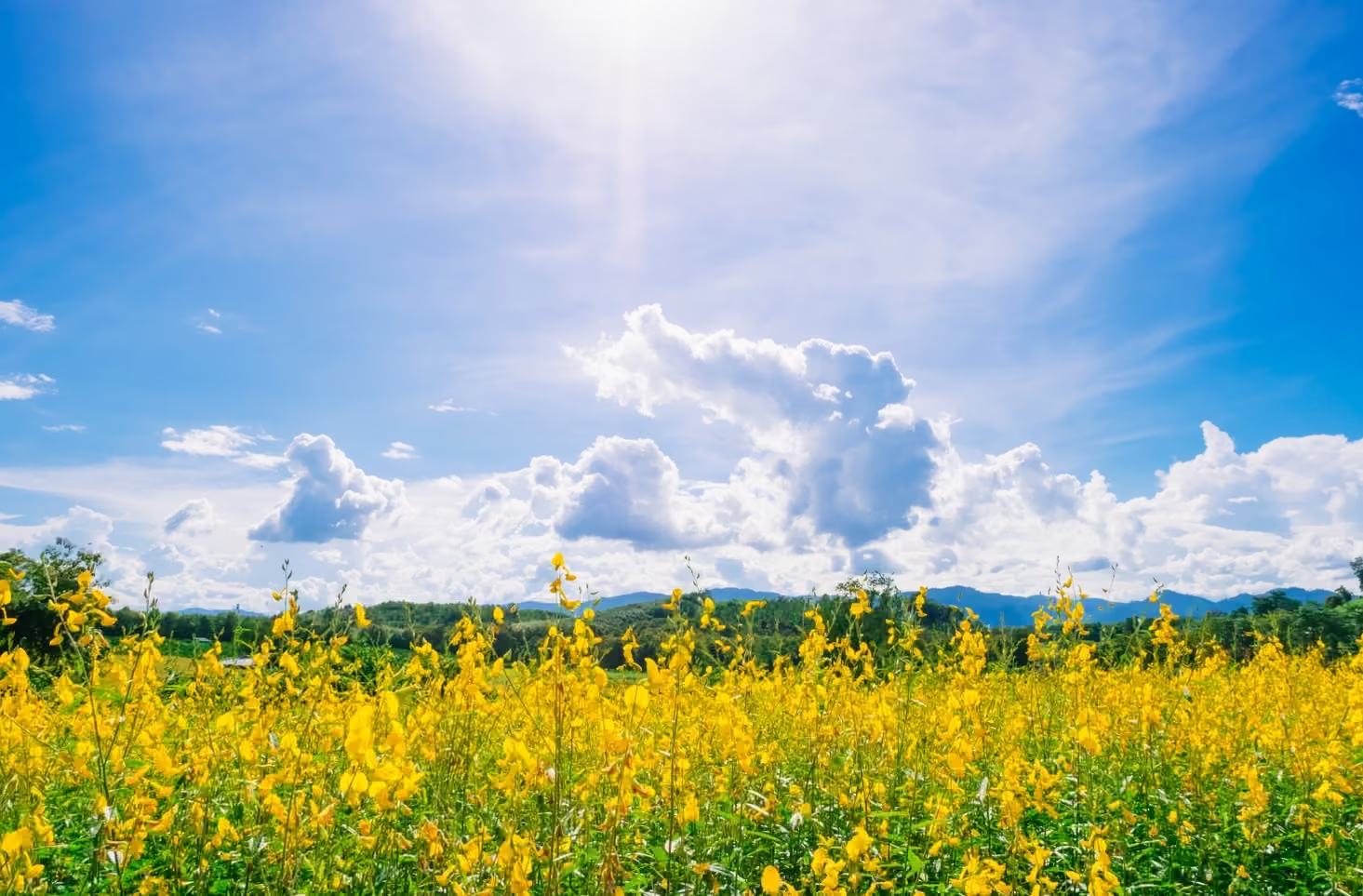
Often described as the Garden of God and sometimes referred to as the Serengeti of Flowers, Kitulo National Park offers travelers a refreshing alternative to traditional wildlife safaris. During the flowering season, its rolling plateaus explode into a spectacular mosaic of colors, with hundreds of plant species covering the landscape beneath cool mountain skies.
For nature lovers, photographers, hikers, botanists, birdwatchers and travelers seeking quieter destinations, Kitulo is one of the most rewarding places to visit in southern Tanzania. It offers a peaceful wilderness experience where the beauty comes not only from large animals, but from delicate orchids, alpine plants, mountain streams, sweeping valleys and the constantly changing colors of the highlands.
At Martial Eagle Adventures, based in Arusha, Tanzania, we design customized Kitulo National Park experiences for travelers who want to discover a softer, more scenic and highly distinctive side of Tanzania.
History of Kitulo National Park
The history of Kitulo National Park is deeply connected to botanical conservation.
For many years, the Kitulo Plateau was known locally and scientifically for its extraordinary concentration of wildflowers and orchids. Botanists recognized the area as one of the richest floral landscapes in East Africa, particularly because of its diversity of montane and grassland plants.
Before the area received national park protection, some of its most valuable plant species were threatened by agricultural expansion, livestock grazing and illegal collection.
The spectacular orchids of Kitulo became especially important in conservation discussions because several species attracted significant interest from plant collectors.
Growing concern over the preservation of the plateau eventually led to stronger protection.
Kitulo National Park was officially established in 2005, becoming Tanzania’s first national park created primarily for the protection of plant life.
This made Kitulo historically significant within Tanzania’s conservation network.
Most national parks in the country were originally established to protect large mammals and major wildlife ecosystems, while Kitulo highlighted the importance of conserving flora, high altitude grasslands and botanical biodiversity.
Its establishment helped protect:
- Rare orchids
- Endemic plant species
- High altitude grasslands
- Mountain ecosystems
- Bird habitats
- Natural water catchment areas
- Scenic landscapes
- Vulnerable botanical communities
Today, Kitulo is internationally recognized as one of Tanzania’s most important botanical destinations and an exceptional example of highland conservation.
Geography Size and Ecology of Kitulo National Park
Kitulo National Park covers approximately 413 square kilometers in the Southern Highlands of Tanzania.
The park lies at elevations of roughly 2,600 to over 2,900 meters above sea level, although surrounding mountain areas rise higher.
Its elevated location creates a dramatically different climate and landscape from Tanzania’s lowland safari parks.
Kitulo is primarily made up of:
- High altitude grassland
- Montane vegetation
- Rolling hills
- Seasonal wetlands
- Mountain streams
- River valleys
- Rocky ridges
- Alpine and subalpine plant communities
The wide plateau is surrounded by mountain systems including the Kipengere, Livingstone and Poroto highlands, creating spectacular panoramic views.
The Kitulo Plateau
The Kitulo Plateau is the heart of the national park.
During much of the year, the landscape appears as broad green grassland stretching beneath the highland sky.
But during the flowering season, the plateau transforms dramatically.
Millions of wildflowers appear across the grasslands, creating layers of:
- Purple
- Yellow
- Blue
- White
- Pink
- Red
The result is one of the most spectacular natural floral displays in East Africa.
The plateau is particularly famous for its orchids.
Orchids and Wildflowers
Kitulo National Park supports an extraordinary diversity of flowering plants.
More than 350 species of vascular plants have been recorded in the wider ecosystem, including numerous orchids, lilies, proteas and other montane plants.
The park is especially known for its diversity of terrestrial orchids.
Depending on season and location, visitors may encounter:
- Ground orchids
- Red hot poker flowers
- Giant lobelias
- Proteas
- Asters
- Geraniums
- Daisies
- Lilies
- Various endemic flowers
The flowering season creates extraordinary opportunities for macro photography, botanical tourism and nature photography.
Ecology and Water Catchment Importance
Kitulo is not only important for its flowers.
The park also plays a significant role in protecting water catchment areas.
Rainfall collected across the plateau feeds streams and rivers that support surrounding communities and ecosystems.
High altitude grasslands also help:
- Reduce soil erosion
- Maintain watershed stability
- Protect mountain biodiversity
- Store water
- Support insects and pollinators
- Provide habitat for birds and small mammals
This ecological value makes Kitulo an important conservation area beyond its tourism appeal.
Wildlife of Kitulo National Park
Kitulo is not primarily a large mammal safari destination.
Travelers should not expect the dense populations of elephants, lions or buffaloes found in parks such as Serengeti or Ruaha.
Instead, wildlife viewing focuses on smaller animals, birds, reptiles and ecological interactions.
Mammals that may occur within the wider park ecosystem include:
- Reedbucks
- Duikers
- Small rodents
- Small carnivores
- Various mountain adapted mammals
The quiet nature of the park allows visitors to focus on scenery, plants and birdlife.
Birdlife in Kitulo National Park
Kitulo is an excellent destination for birdwatching in Tanzania’s Southern Highlands.
Its high altitude grasslands and wetlands support a number of interesting resident and migratory bird species.
Birdwatchers may encounter:
- Mountain marsh widowbirds
- Raptors
- Grassland species
- Sunbirds
- Swallows
- Highland birds
- Migratory species
The plateau’s open terrain also makes many birds easier to observe than in dense forest environments.
Birding is particularly rewarding during the wet and flowering seasons when insects and plant activity increase.
Accessibility to Kitulo National Park
Kitulo National Park is located in southern Tanzania and requires more travel planning than many of the country’s major safari parks.
The park is most commonly accessed through Mbeya, one of the major cities in the Southern Highlands.
Traveling From Mbeya
Mbeya is one of the most practical gateways for visiting Kitulo.
The journey continues through highland roads toward the park.
Travel time depends on:
- Road conditions
- Weather
- Chosen entrance
- Vehicle type
- Stopovers
A 4×4 vehicle is recommended, particularly during the rainy season when some roads may become muddy or slippery.
The drive itself is scenic and passes through beautiful highland landscapes.
Traveling From Dar es Salaam
Travelers coming from Dar es Salaam can reach Mbeya by:
- Domestic flight
- Road
- Railway connections
Flying is usually the most convenient option for travelers with limited time.
From Mbeya, the journey continues by road to Kitulo.
Traveling From Arusha
Travelers beginning with Martial Eagle Adventures in Arusha can combine Kitulo with a wider Tanzania itinerary.
The journey may involve:
- Domestic flights
- Overland transfers
- Southern Tanzania extensions
Possible combinations include:
- Ruaha National Park
- Mikumi National Park
- Udzungwa Mountains National Park
- Kitulo National Park
This creates an exceptional itinerary combining wildlife, mountains, hiking and botanical landscapes.
Road Conditions
Because Kitulo is a high altitude park, weather can influence accessibility.
Travelers should expect:
- Mountain roads
- Muddy conditions during heavy rain
- Cool temperatures
- Remote driving sections
- Longer travel times than expected
Professional planning is therefore recommended.
Best Time to Visit Kitulo National Park
The best time to visit Kitulo depends heavily on what travelers want to experience.
For most visitors, the flowering season is the main attraction.
December to April
The period from approximately December through April is generally the most spectacular time for wildflowers.
Rainfall transforms the grasslands and triggers widespread flowering.
Visitors may enjoy:
- Large floral displays
- Orchids
- Green landscapes
- Excellent botanical photography
- Active birdlife
- Dramatic skies
- Vibrant mountain scenery
For travelers visiting specifically to see the famous flowers of Kitulo, this is generally the most important season.
January to March
January through March is often particularly rewarding for flower enthusiasts.
The plateau can be at its most colorful during this period.
However, rain can also make trails and access roads more challenging.
Visitors should therefore prepare for:
- Wet conditions
- Muddy roads
- Cooler temperatures
- Rain showers
- Mist
- Slippery hiking trails
Despite these challenges, this is one of the most visually rewarding times to visit.
May to October
The dry season produces a very different experience.
The landscape becomes drier and some floral displays decline.
However, visitors may benefit from:
- Easier hiking conditions
- Better road access
- Clear mountain views
- Cooler dry weather
- Long distance trekking opportunities
- Scenic photography
This period is suitable for travelers focused more on hiking and landscapes than flowers.
November
November may mark the beginning of seasonal rains and the gradual return of green vegetation.
This transition period can be attractive for travelers interested in changing landscapes and quieter tourism.
Common Activities in Kitulo National Park
Kitulo is primarily an active nature destination rather than a vehicle based safari park.
The most popular activities involve hiking, photography, botany and birdwatching.
Wildflower Viewing
Wildflower viewing in Kitulo National Park is the signature experience.
During the flowering season, visitors can walk through vast natural gardens filled with orchids, lilies, proteas and other mountain flowers.
Professional guides can help travelers understand:
- Plant species
- Flowering cycles
- Pollination
- Endemic species
- Conservation challenges
- Highland ecology
This activity is ideal for botanists, photographers and nature lovers.
Hiking
Kitulo offers excellent hiking opportunities across open plateaus and mountain landscapes.
Trails may pass through:
- Grasslands
- Valleys
- Streams
- Wetlands
- Ridge viewpoints
- Wildflower fields
The open environment provides breathtaking panoramic views.
Hiking can range from shorter walks to longer excursions depending on route and fitness level.
Mountain Trekking
More adventurous travelers can explore extended routes toward surrounding mountain systems.
Possible experiences include:
- Long distance walks
- Ridge hiking
- Camping
- Landscape photography
- Sunrise and sunset viewpoints
- Remote nature experiences
The high altitude environment makes some routes physically demanding.
Birdwatching
Birdwatching is another important activity.
Travelers can explore:
- Grasslands
- Wetlands
- Mountain slopes
- Stream valleys
Birding is especially rewarding during periods of increased insect activity.
Botanical Photography
Kitulo is one of Tanzania’s finest destinations for botanical and macro photography.
Popular subjects include:
- Orchids
- Lilies
- Proteas
- Wildflower fields
- Dew covered plants
- Pollinating insects
- Mountain landscapes
- Misty highland scenery
Photographers should bring equipment suitable for both close up and landscape photography.
Landscape Photography
The wide open plateau creates spectacular photography opportunities.
Popular scenes include:
- Rolling green hills
- Flower covered plains
- Mountain ridges
- Clouds moving across valleys
- High altitude sunsets
- Morning mist
- Streams
- Dramatic skies
The scenery can change rapidly with weather conditions.
Nature Walks
Slow guided nature walks are ideal for travelers who want to understand the ecological importance of the park.
Guides may explain:
- Plant identification
- Insect relationships
- Mountain water systems
- Grassland ecology
- Bird behavior
- Conservation issues
These walks make Kitulo especially suitable for educational travel.
Waterfall and Stream Exploration
Seasonal streams and waterfalls can also form part of longer hiking experiences.
The rainy season increases water flow and creates beautiful highland scenery.
Camping
Camping may be possible in designated areas depending on park regulations and arrangements.
A camping experience in Kitulo provides:
- Quiet nights
- Mountain skies
- Fresh highland air
- Remote scenery
- Early access to hiking routes
Camping can be particularly rewarding for photographers who want to experience early morning and late afternoon light.
Accommodation Options Around Kitulo National Park
Accommodation options around Kitulo are more limited than in major safari destinations.
Travelers should expect simple, practical and nature focused choices.
Guesthouses and Lodges Near the Park
Small lodges and guesthouses may be available in nearby communities and highland towns.
Facilities can include:
- Private rooms
- Basic dining
- Hot showers
- Parking
- Local guiding arrangements
These properties are suitable for travelers who prioritize exploration over luxury.
Accommodation in Mbeya
Mbeya offers a wider selection of accommodation and is commonly used before or after visiting Kitulo.
Options range from:
- Hotels
- Guesthouses
- Mid range lodges
- Business hotels
Staying in Mbeya may be convenient for travelers connecting with flights or continuing through southern Tanzania.
Camping Inside or Near the Park
Camping can provide the most immersive experience.
Travelers may enjoy:
- Direct access to nature
- Quiet surroundings
- Sunrise photography
- Mountain views
- Star filled skies
Camping requires appropriate equipment because temperatures can drop significantly at night.
What to Expect From Kitulo Accommodation
Kitulo is not primarily a luxury safari destination.
Travelers should prioritize:
- Location
- Comfort
- Warm bedding
- Practical facilities
- Reliable transport
- Good local guides
The simplicity of the accommodation is part of the destination’s authentic and remote character.
Why Visit Kitulo National Park
Kitulo National Park offers something found nowhere else in Tanzania.
It is ideal for travelers interested in:
- Wildflowers
- Orchids
- Botanical tourism
- Mountain hiking
- Birdwatching
- Landscape photography
- Nature photography
- Quiet wilderness
- Southern Tanzania travel
- High altitude ecosystems
- Camping
- Educational travel
Unlike the savannah parks, Kitulo rewards visitors who slow down and pay attention to smaller details.
A single walk may reveal dozens of flowers, butterflies, birds and changing mountain landscapes.
Kitulo National Park Experience
A typical day in Kitulo may begin with cool mountain air and mist resting over the plateau.
After breakfast, visitors set out on foot with a guide.
During the flowering season, the landscape quickly becomes a natural garden.
Orchids appear among tall grass.
Bright flowers spread across hillsides.
Birds move through the open landscape while clouds drift between distant mountain ridges.
The pace is slow and peaceful.
Rather than rushing between wildlife sightings, visitors stop frequently to photograph flowers, identify plants and enjoy panoramic views.
After lunch, another walk may explore streams, ridges or different botanical zones.
The day may end with a highland sunset before temperatures fall rapidly after dark.
This calm, immersive rhythm makes Kitulo one of Tanzania’s most peaceful nature experiences.
Kitulo for Photographers
Kitulo is particularly rewarding for photographers seeking subjects beyond traditional wildlife.
Photography opportunities include:
- Orchids
- Wildflowers
- Butterflies
- Birds
- Mountain landscapes
- Mist
- Grasslands
- Streams
- Sunrises
- Sunsets
Macro lenses are particularly useful during flowering season.
Landscape photographers may also benefit from wide angle lenses.
Kitulo for Hikers
Travelers who enjoy walking will find Kitulo especially attractive.
The plateau provides large open spaces that can be explored slowly.
Hiking experiences may focus on:
- Scenic viewpoints
- Botanical areas
- Ridge lines
- Valleys
- Streams
- Mountain passes
Because of the altitude, visitors should allow time to adjust and maintain a comfortable walking pace.
Kitulo for Birdwatchers
The park’s high altitude environment attracts bird species associated with montane and grassland habitats.
Birdwatchers can combine field observation with hiking.
Binoculars and lightweight camera equipment are recommended.
Combine Kitulo With Ruaha National Park
One rewarding Southern Tanzania itinerary combines:
- Kitulo National Park
- Ruaha National Park
Ruaha provides outstanding predator and elephant viewing, while Kitulo offers flowers, mountains and hiking.
Together they create a beautifully varied safari experience.
Combine Kitulo With Udzungwa Mountains National Park
Kitulo can also be paired with Udzungwa Mountains National Park.
This combination offers:
- Hiking
- Forest ecosystems
- Waterfalls
- Primates
- Botanical diversity
- Mountain landscapes
This itinerary is especially suitable for active travelers and nature enthusiasts.
Combine Kitulo With Mikumi National Park
A wider Southern Circuit itinerary may include:
- Mikumi National Park
- Udzungwa Mountains National Park
- Kitulo National Park
- Ruaha National Park
This provides an excellent combination of wildlife safaris, rainforest hiking, mountain landscapes and botanical experiences.
Responsible Tourism in Kitulo National Park
Kitulo contains sensitive plant communities that can easily be damaged by careless tourism.
Visitors should:
- Stay on designated trails where required
- Never pick flowers
- Avoid damaging orchids or other plants
- Do not remove rocks or vegetation
- Keep waste out of the park
- Follow guide instructions
- Respect wetlands
- Avoid trampling sensitive flowering areas
- Support local guides and communities
- Minimize plastic use
Responsible tourism is particularly important because many visitors come specifically to see fragile wildflowers.
Essential Travel Tips for Kitulo National Park
Kitulo’s high altitude climate can be cold and unpredictable.
Recommended items include:
- Warm clothing
- Waterproof jacket
- Strong hiking boots
- Comfortable hiking trousers
- Sun hat
- Sunscreen
- Sunglasses
- Small backpack
- Refillable water bottle
- Binoculars
- Camera equipment
- Macro lens for flowers
- Waterproof camera protection
- Personal medication
- Walking poles if preferred
- Warm sleeping gear for camping
Visitors should prepare for sudden weather changes even during relatively dry periods.
Plan Your Kitulo Adventure With Martial Eagle Adventures
Discover one of Tanzania’s most colorful and peaceful wilderness destinations with Martial Eagle Adventures, based in Arusha, Tanzania.
Kitulo National Park reveals a completely different side of the country.
Here, the adventure is not about racing across the plains in search of lions. It is about walking slowly through fields of orchids, watching mountain mist drift across distant ridges, listening to grassland birds and discovering the extraordinary diversity hidden among Tanzania’s Southern Highlands.
Whether you are planning a dedicated Kitulo National Park tour, botanical safari, Southern Tanzania hiking adventure, birdwatching trip, photography journey or a combination with Ruaha, Mikumi and Udzungwa, our team can create an itinerary designed around your interests and travel dates.
Visit during the flowering season and stand among some of East Africa’s most spectacular natural wildflower displays. Hike across remote highland plateaus, photograph rare plants and experience the silence of a wilderness far removed from Tanzania’s busier safari routes.
Explore Kitulo National Park with Martial Eagle Adventures and discover Tanzania’s Garden of God, where mountain grasslands, wild orchids, breathtaking scenery and peaceful wilderness create one of the country’s most beautiful nature experiences.
Read Reviews


Follow us
- Martial Eagle Adventures
- @martialeagleadventures
- +255 652 283 399
- +255 652 283 399
- sales@martialeagleadventures.com
- Arusha, Tanzania
We Accept