Pemba Island

About Pemba Island

Discover Pemba Island With Martial Eagle Adventures
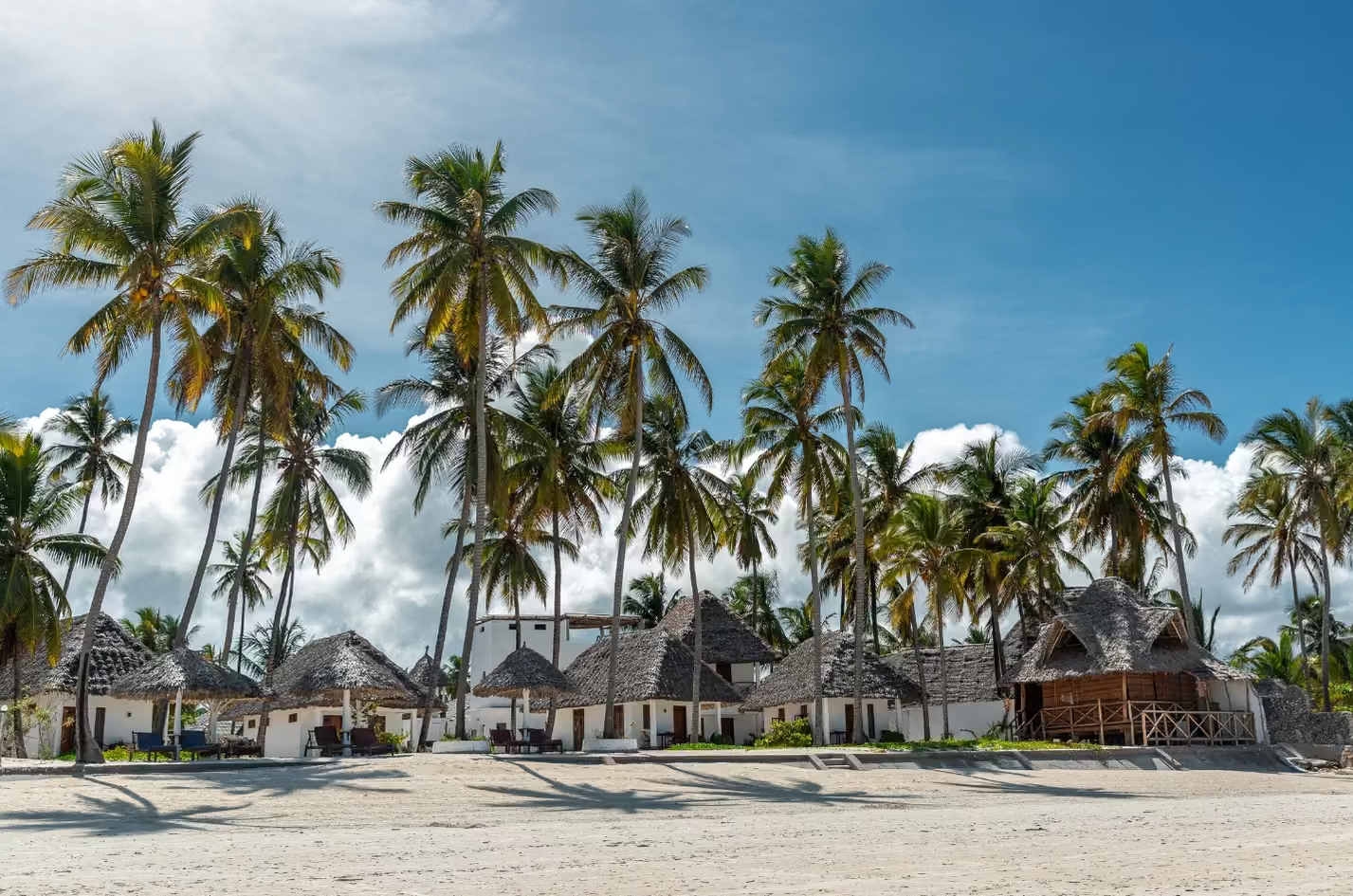
Rising from the turquoise waters of the Indian Ocean north of Zanzibar, Pemba Island is one of Tanzania’s most beautiful and less explored tropical destinations. Known for its emerald hills, fertile clove plantations, mangrove forests, traditional fishing villages, pristine coral reefs and remarkably clear waters, Pemba offers a quieter and more intimate alternative to the better known beaches of Zanzibar Island.
Often called the Green Island because of its lush vegetation and rolling landscape, Pemba feels distinctly different from neighboring Unguja, commonly known as Zanzibar Island. While Zanzibar attracts large numbers of travelers to Stone Town, Nungwi, Kendwa and Paje, Pemba retains a slower rhythm where village life, farming, fishing and traditional Swahili culture remain central to the island’s character.
For travelers searching for an off the beaten path Tanzania beach holiday in 2026, Pemba provides an extraordinary combination of marine adventure, cultural discovery and tropical relaxation. Its steep underwater walls, coral gardens and deep channels have also established the island as one of East Africa’s most exciting destinations for scuba diving and snorkeling.
Yet Pemba is not simply about beaches. Travelers can explore historic ruins, walk through spice plantations, kayak among mangroves, visit traditional communities, discover the remarkable Pemba flying fox, sail aboard traditional dhows and experience some of Tanzania’s most peaceful coastal landscapes.
At Martial Eagle Adventures, based in Arusha, Tanzania, we create customized Pemba Island holidays that can be enjoyed independently or combined with a Serengeti safari, Ngorongoro safari, Southern Tanzania wildlife adventure, Kilimanjaro climb or Zanzibar beach holiday.
History of Pemba Island
Pemba Island has been connected to the wider Indian Ocean world for centuries.
Its geographical position along the East African coast placed it within historic maritime trading networks connecting African communities with merchants from Arabia, Persia, India and other regions surrounding the Indian Ocean.
Local African communities developed settlements across the island, while overseas trade introduced new cultural, religious and architectural influences.
Over time, these interactions contributed to the development of the distinctive Swahili culture found throughout the East African coast.
Trade historically involved products such as:
- Spices
- Agricultural produce
- Ivory from mainland networks
- Marine products
- Timber
- Textiles and imported goods
- Other commodities moving through Indian Ocean trading routes
Islam became deeply established across Pemba and remains an important part of the island’s cultural identity.
Ancient Settlements and Swahili Heritage
Archaeological sites across Pemba demonstrate that the island supported sophisticated communities involved in regional and international trade centuries ago.
One of the most important historical locations is Ras Mkumbuu, where archaeological remains provide evidence of early Swahili settlement and Indian Ocean connections.
Another important area is Chwaka, where ruins reveal additional chapters of Pemba’s past.
Historic remains across the island may include:
- Mosques
- Tombs
- Coral stone buildings
- Settlement foundations
- Wells
- Architectural remains
These sites provide travelers with an opportunity to understand Pemba beyond its beaches and marine attractions.
Portuguese and Omani Influence
As European powers expanded into the Indian Ocean, the Portuguese became involved in East African coastal trade during the sixteenth century.
Control and influence later shifted as Omani power expanded along the coast.
Zanzibar and Pemba eventually became closely associated with the Sultanate of Oman, and Arab influence became increasingly visible in politics, commerce, agriculture and culture.
The Clove Economy
Pemba became especially important for clove cultivation.
Its fertile soils and humid tropical climate proved highly suitable for clove trees, and plantations expanded across large areas of the island.
Even today, cloves remain strongly associated with Pemba’s landscape and identity.
Travelers exploring the countryside may encounter:
- Clove trees
- Coconut palms
- Banana plants
- Cassava
- Mango trees
- Tropical fruits
- Other spice crops
The aroma of drying cloves during harvest periods is one of the characteristic sensory experiences of the island.
Modern History
Like neighboring Zanzibar, Pemba passed through periods of Omani rule and British influence before the islands gained independence in the twentieth century.
Following the political transformations of 1964, Zanzibar and Pemba became part of the union that created the United Republic of Tanzania.
Today, Pemba forms part of the semi autonomous Zanzibar archipelago while retaining its own strong local character.
Geography Size and Ecology of Pemba Island
Pemba is the second largest island in the Zanzibar Archipelago after Unguja.
The island covers approximately 980 square kilometers and stretches roughly 65 to 70 kilometers from north to south.
Pemba lies around 50 kilometers east of mainland Tanzania and north of Zanzibar Island.
Unlike the relatively flatter landscapes associated with much of Unguja, Pemba is characterized by rolling hills, deep valleys and exceptionally fertile vegetation.
The island’s landscape includes:
- Tropical farmland
- Clove plantations
- Coconut palms
- Forest patches
- Mangrove ecosystems
- Coral coastlines
- Tidal flats
- Beaches
- Small offshore islands
- Deep ocean channels
- Coral reefs
The abundance of vegetation gives Pemba its famous green appearance.
Pemba Channel
One of the most important geographical features surrounding the island is the Pemba Channel, which separates Pemba from mainland Tanzania.
The channel reaches considerable depths and contributes to the rich marine conditions surrounding the island.
Deep water, currents and underwater topography create excellent habitats for diverse marine species.
These conditions are one reason Pemba has developed an international reputation for wall diving and advanced scuba diving.
Coral Reefs
Pemba is surrounded by some of Tanzania’s most impressive coral reef systems.
The reefs support:
- Hard and soft corals
- Tropical reef fish
- Groupers
- Snappers
- Barracuda
- Moray eels
- Rays
- Sea turtles
- Numerous marine invertebrates
The combination of steep underwater walls, channels and coral gardens creates spectacular diving environments.
Marine conditions vary considerably by location, tide and season, so diving should always be organized with qualified professionals familiar with local currents.
Mangrove Forests
Pemba contains extensive mangrove ecosystems, particularly around protected bays and tidal channels.
Mangroves provide critical habitat for:
- Juvenile fish
- Crabs
- Mollusks
- Birds
- Reptiles
- Other marine organisms
They also help protect shorelines against erosion and provide natural resources for surrounding communities.
Mangrove kayaking and guided ecological excursions can provide visitors with a deeper understanding of these important coastal environments.
Ngezi Forest
One of Pemba’s most important terrestrial natural attractions is the Ngezi Forest Reserve in the northern part of the island.
The forest protects remnants of indigenous vegetation and provides habitat for birds, reptiles, insects and mammals.
Guided walks through the forest allow visitors to experience a completely different side of Pemba.
Travelers can discover:
- Indigenous trees
- Tropical plants
- Forest birds
- Butterflies
- Small wildlife
- Traditional plant knowledge
The cool forest environment also provides a pleasant contrast to the tropical coastline.
The Pemba Flying Fox
One of Pemba Island’s most distinctive animals is the Pemba flying fox, a large fruit bat native to the island.
With its impressive wingspan, the flying fox is an important component of Pemba’s forest ecosystem.
Fruit bats contribute to ecological processes such as:
- Seed dispersal
- Forest regeneration
- Pollination
Visitors interested in wildlife and conservation may have opportunities to observe flying fox colonies with appropriate local guidance.
Marine Wildlife Around Pemba
The waters surrounding Pemba support a rich variety of marine life.
Depending on location, season and ocean conditions, visitors may encounter:
- Sea turtles
- Dolphins
- Reef fish
- Rays
- Large pelagic fish
- Moray eels
- Octopus
- Barracuda
- Numerous coral species
Marine sightings naturally vary and should never be treated as guaranteed.
Responsible tourism is essential for protecting these ecosystems.
Birdlife on Pemba Island
Pemba offers excellent opportunities for birdwatching.
The combination of forest, mangrove, farmland and coastal habitats supports diverse species.
Birdwatchers may encounter:
- Kingfishers
- Herons
- Egrets
- Sunbirds
- Raptors
- Shorebirds
- Forest birds
- Mangrove associated species
- Migratory birds
Guided forest and mangrove walks are particularly rewarding for dedicated birders.
Accessibility to Pemba Island
Pemba’s relative isolation is one of its greatest attractions, but the island remains accessible by air and sea.
Traveling by Air
Flying is generally the most convenient way to reach Pemba.
Travelers normally arrive through Pemba Airport near Chake Chake.
Domestic air connections may operate between Pemba and destinations such as:
- Zanzibar
- Dar es Salaam
Flight schedules can vary, so connections should be carefully planned.
Traveling From Arusha
Travelers beginning with Martial Eagle Adventures in Arusha can combine a Tanzania wildlife safari with Pemba Island using domestic flight connections.
A classic itinerary might include:
- Arusha
- Tarangire National Park
- Ngorongoro Conservation Area
- Serengeti National Park
- Pemba Island
This creates a remarkable journey from the wildlife rich plains of northern Tanzania to the quiet tropical waters of the Indian Ocean.
Traveling From Zanzibar
Pemba can be combined with Zanzibar Island for travelers wanting to experience two very different sides of the archipelago.
Zanzibar offers:
- Stone Town
- Large beach resorts
- Active tourism centers
- Nightlife
- Numerous excursions
Pemba offers:
- Greater tranquility
- Diving
- Traditional villages
- Clove plantations
- Forests
- Less developed beaches
Together, the islands create a highly varied coastal itinerary.
Traveling by Sea
Sea transport may also connect Pemba with other coastal destinations depending on available services.
Sea journeys can be affected by weather and ocean conditions.
Travelers should always use recognized passenger services and confirm schedules before departure.
Transportation Around Pemba Island
Once on Pemba, travelers can use:
- Private hotel transfers
- Taxis
- Tour vehicles
- Local transport
- Boats
- Traditional dhows
Road journeys provide opportunities to experience the island’s lush countryside and villages.
Private transfers are generally the most convenient option for visitors moving between accommodation properties and attractions.
Best Time to Visit Pemba Island
Pemba can be visited throughout much of the year, but weather and ocean conditions influence diving, snorkeling and other activities.
June to October
The period from June through October is one of the most popular times for visiting Pemba.
Visitors may experience:
- Lower rainfall
- Comfortable temperatures
- Excellent island exploration
- Beach activities
- Diving opportunities
- Snorkeling
- Cultural tours
- Forest walks
This period also combines perfectly with the traditional dry season in Tanzania’s major safari destinations.
December to February
December through February can also provide excellent conditions.
The weather is generally warmer and more humid.
Travelers may enjoy:
- Warm ocean temperatures
- Diving
- Snorkeling
- Tropical beach conditions
- Honeymoon holidays
- Cultural exploration
These months are particularly attractive to travelers escaping colder northern hemisphere winters.
November
Short seasonal rains may occur during November.
Rain often arrives in tropical showers rather than continuous rainfall.
Visitors may still enjoy:
- Green landscapes
- Diving
- Cultural activities
- Photography
- Fewer travelers during selected periods
Weather conditions naturally vary from year to year.
March to May
The main rainy season generally occurs from approximately March through May.
Heavy rainfall can occur, particularly during April.
Travelers should prepare for:
- Higher humidity
- Tropical rainfall
- Changes in marine conditions
- Reduced visibility on some days
- Fewer visitors
- Very green landscapes
Some accommodation properties or activities may operate seasonally, making advance planning important.
Best Time for Diving
Diving conditions around Pemba vary according to:
- Tides
- Currents
- Wind
- Visibility
- Dive site
- Diver experience
Professional dive centers monitor these factors and choose suitable locations accordingly.
Because some Pemba dive sites experience strong currents and dramatic drop offs, certain dives are better suited to experienced divers.
Common Activities on Pemba Island
Pemba offers an excellent combination of marine adventure, nature, history and cultural experiences.
Scuba Diving
Scuba diving in Pemba Island is one of the destination’s signature experiences.
Divers can explore:
- Coral walls
- Reef drop offs
- Coral gardens
- Channels
- Deep water sites
- Tropical fish habitats
Possible marine encounters include:
- Barracuda
- Groupers
- Snappers
- Rays
- Sea turtles
- Moray eels
- Large schools of fish
Pemba’s dramatic underwater geography makes it especially attractive to experienced divers.
Snorkeling
Snorkeling provides an easier way to explore Pemba’s marine environment.
Depending on location and conditions, visitors may see:
- Colorful reef fish
- Coral gardens
- Sea turtles
- Starfish
- Other marine organisms
Responsible snorkelers should never stand on coral or remove marine life.
Misali Island
Misali Island, located off Pemba’s western coast, is one of the archipelago’s most beautiful marine destinations.
The island and surrounding waters are known for:
- Coral reefs
- Snorkeling
- Diving
- White sand beaches
- Marine biodiversity
- Sea turtle habitat
- Tropical scenery
A day excursion to Misali can become one of the highlights of a Pemba holiday.
Ngezi Forest Walks
Guided walks through Ngezi Forest introduce visitors to Pemba’s terrestrial biodiversity.
Travelers can learn about:
- Indigenous vegetation
- Forest ecology
- Birds
- Insects
- Traditional plant uses
- Conservation
Early morning walks are particularly rewarding.
Spice and Clove Tours
Pemba’s agricultural landscape makes a clove and spice tour one of the island’s most culturally meaningful experiences.
Visitors can learn about:
- Clove cultivation
- Harvesting
- Drying
- Spice processing
- Coconut farming
- Tropical fruit production
- Agricultural livelihoods
Unlike a purely demonstration based attraction, exploring Pemba’s farming areas provides insight into an industry that has shaped the island’s economy and landscape for generations.
Historical Ruins
History enthusiasts can explore archaeological sites such as:
- Ras Mkumbuu
- Chwaka ruins
These locations provide insight into Pemba’s long participation in Indian Ocean trade.
A knowledgeable local guide can explain the importance of ancient mosques, tombs and settlement remains.
Traditional Dhow Sailing
Traditional dhow boats have been used along the East African coast for generations.
A dhow excursion may include:
- Coastal sailing
- Sunset experiences
- Snorkeling
- Island visits
- Fishing communities
- Photography
The slow pace of dhow sailing perfectly matches Pemba’s peaceful atmosphere.
Mangrove Kayaking
Kayaking through mangrove channels provides a quiet and environmentally sensitive way to explore Pemba’s coastline.
Visitors may observe:
- Birds
- Crabs
- Juvenile fish
- Mangrove root systems
- Coastal vegetation
The activity is particularly rewarding around calm tidal conditions.
Fishing Experiences
Fishing remains an important livelihood for many communities on Pemba.
Responsible recreational fishing experiences may be available depending on local regulations and location.
Visitors can also learn about:
- Traditional fishing
- Boat construction
- Marine knowledge
- Coastal livelihoods
Village and Cultural Experiences
Pemba remains deeply connected to traditional Swahili coastal life.
Responsible village visits can introduce travelers to:
- Local agriculture
- Fishing traditions
- Food
- Craftsmanship
- Islamic coastal culture
- Community life
- Traditional architecture
Visitors should dress respectfully and ask permission before photographing people.
Birdwatching
Pemba’s forests, farms, mangroves and coastal environments create excellent birdwatching opportunities.
Birding can be combined with:
- Ngezi Forest walks
- Mangrove kayaking
- Village tours
- Coastal walks
- Boat excursions
Binoculars are highly recommended.
Cycling and Countryside Exploration
Pemba’s quiet roads and green countryside can provide excellent cycling opportunities depending on route and conditions.
Cyclists may pass through:
- Clove plantations
- Coconut groves
- Villages
- Farmland
- Forest edges
- Coastal communities
Cycling provides a slower and more intimate way to experience the island.
Beach Relaxation
Pemba’s beaches are generally quieter and less developed than many of Zanzibar’s famous coastal areas.
Travelers may spend afternoons:
- Swimming
- Reading
- Walking
- Snorkeling
- Photographing the coastline
- Watching fishing boats
- Enjoying tropical sunsets
The absence of large crowds is one of Pemba’s greatest luxuries.
Accommodation Options on Pemba Island
Accommodation on Pemba is more limited than on Zanzibar, but this contributes to the island’s exclusive atmosphere.
Travelers can choose from luxury resorts, boutique lodges, eco properties and simpler local accommodation.
Luxury Island Resorts
Luxury properties may provide:
- Private villas
- Ocean views
- Private beaches
- Swimming pools
- Fine dining
- Spa treatments
- Diving centers
- Private excursions
- Personalized services
- Romantic dining
These properties are ideal for luxury Pemba Island holidays and Tanzania honeymoons.
Boutique Beach Lodges
Boutique lodges typically offer fewer rooms and personalized hospitality.
Facilities may include:
- Beachfront accommodation
- Private verandas
- Restaurants
- Tropical gardens
- Diving arrangements
- Snorkeling excursions
- Cultural activities
These properties suit travelers who prefer intimacy over large resorts.
Eco Lodges
Pemba’s natural environment makes eco focused accommodation particularly appropriate.
Properties may incorporate:
- Solar energy
- Local building materials
- Water conservation
- Waste reduction
- Community employment
- Sustainable food sourcing
Eco lodges appeal to travelers interested in responsible and lower impact tourism.
Underwater and Unique Accommodation Experiences
Pemba has gained international attention for innovative marine focused accommodation experiences, including unique rooms associated with offshore settings.
These specialized properties appeal to travelers searching for extraordinary romantic or luxury experiences.
Availability can be extremely limited, so advance planning is essential.
Guesthouses and Budget Accommodation
Travelers looking for simpler options may find guesthouses around settlements such as Chake Chake, Wete and Mkoani.
Facilities may include:
- Private rooms
- Basic meals
- Local hospitality
- Transport arrangements
- Simple amenities
These options are particularly suitable for independent travelers.
Why Visit Pemba Island
Pemba is ideal for travelers who want to experience Tanzania’s coast beyond conventional resort tourism.
The island is particularly recommended for:
- Scuba divers
- Snorkelers
- Honeymooners
- Marine photographers
- Birdwatchers
- Nature lovers
- Cultural travelers
- History enthusiasts
- Responsible tourism travelers
- Couples
- Repeat visitors to Tanzania
Read Reviews


Follow us
- Martial Eagle Adventures
- @martialeagleadventures
- +255 652 283 399
- +255 652 283 399
- sales@martialeagleadventures.com
- Arusha, Tanzania
We Accept