
Zanzibar Island

About Zanzibar Island

Discover Zanzibar Island With Martial Eagle Adventures
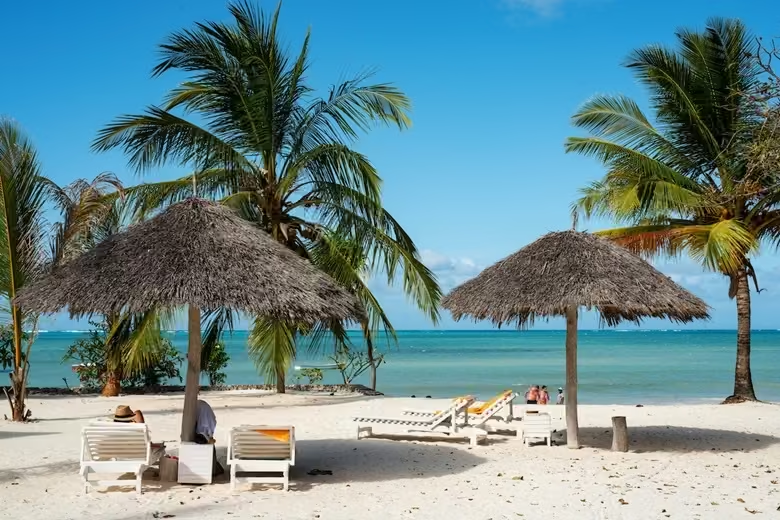
Floating in the warm turquoise waters of the Indian Ocean, Zanzibar Island is one of Africa’s most captivating tropical destinations. Powder white beaches, coral reefs, historic Stone Town, aromatic spice farms, traditional dhow boats and the unmistakable rhythm of Swahili coastal life combine to create a destination that feels both exotic and deeply connected to centuries of African and Indian Ocean history.
For travelers planning a Tanzania safari and Zanzibar beach holiday, the island provides a perfect contrast to the wildlife landscapes of Serengeti, Ngorongoro, Tarangire, Ruaha and Nyerere. After days spent watching lions, elephants and wildebeest across the mainland, Zanzibar invites you to slow down beside the ocean, walk barefoot along white sand and discover another side of Tanzania.
Zanzibar is much more than a beach destination. Its historic capital, Stone Town, tells stories of centuries of trade and cultural exchange between Africa, Arabia, Persia, India and Europe. Its rural interior contains spice plantations, tropical vegetation and villages, while its coastline offers coral reefs, marine life, traditional fishing communities and some of East Africa’s finest beach resorts.
Travelers can spend their days snorkeling around Mnemba Island, exploring Stone Town, visiting spice farms, walking through Jozani Forest, sailing aboard traditional dhows, relaxing on Nungwi and Kendwa beaches or discovering the restaurants and coastal culture of Paje and Jambiani.
At Martial Eagle Adventures, based in Arusha, Tanzania, we create customized Zanzibar holidays that can be enjoyed independently or combined with a Tanzania wildlife safari, Kilimanjaro climbing adventure, honeymoon or family holiday.
History of Zanzibar Island
Zanzibar’s history is one of the richest and most complex in East Africa.
For centuries, the islands occupied an important strategic position along Indian Ocean maritime trade routes. African communities interacted with merchants and sailors arriving from Arabia, Persia, India and other regions, creating the cultural mixture that eventually shaped Zanzibar’s distinctive Swahili identity.
Trade brought goods, religions, architectural influences, languages and culinary traditions to the islands.
Over time, Zanzibar became particularly associated with:
- Spices
- Ivory
- Coastal commerce
- Maritime trade
- Traditional dhow navigation
- Swahili culture
- International merchant communities
Arab influence became particularly significant, and Zanzibar eventually developed strong political and commercial relationships with Oman.
During the nineteenth century, Zanzibar emerged as an important commercial center under the Omani sultanate.
The cultivation of cloves and other spices expanded dramatically, helping Zanzibar earn its famous reputation as the Spice Island.
This period also included the deeply painful history of the East African slave trade. Zanzibar became an important center in regional slave trading networks, and understanding this history is an essential part of exploring Stone Town.
British influence increased toward the end of the nineteenth century, and Zanzibar later became a British protectorate.
The islands achieved independence in 1963.
The Zanzibar Revolution of 1964 dramatically transformed the political structure of the islands. Later that same year, Zanzibar united with Tanganyika to form what became the United Republic of Tanzania.
Zanzibar retained a distinctive semi autonomous political and administrative identity within Tanzania.
Important historical themes include:
- Ancient Indian Ocean trading connections
- Development of Swahili civilization
- Arab and Omani influence
- Growth of the clove and spice economy
- Indian commercial influence
- European colonial involvement
- The history of the slave trade
- Zanzibar independence
- The Zanzibar Revolution
- Union with Tanganyika
Today, this complex history can be experienced most vividly within the narrow streets, carved doors, historic buildings and cultural landmarks of Stone Town.
Geography Size and Ecology of Zanzibar
The Zanzibar Archipelago lies off the coast of mainland Tanzania in the Indian Ocean.
What travelers commonly call Zanzibar Island is officially known as Unguja, the largest and most populated island within the archipelago.
Unguja covers approximately 1,660 square kilometers and extends roughly 85 kilometers from north to south.
The broader Zanzibar Archipelago includes:
- Unguja
- Pemba Island
- Numerous smaller islands and islets
- Coral formations
- Sandbanks
The island’s landscapes include:
- White sandy beaches
- Coral limestone terrain
- Tropical vegetation
- Mangrove forests
- Agricultural areas
- Coconut plantations
- Spice farms
- Coastal villages
- Coral reefs
- Seagrass habitats
This combination of terrestrial and marine ecosystems makes Zanzibar an excellent destination for both beach holidays and nature based travel.
The Indian Ocean Coastline
Zanzibar’s coastline changes dramatically from one region to another.
The north and northwest coast, including Nungwi and Kendwa, is particularly famous for beautiful beaches and relatively favorable swimming conditions across much of the tidal cycle.
The east coast, including Paje, Jambiani, Bwejuu and Matemwe, experiences much more dramatic tidal changes.
At low tide, the ocean may retreat considerable distances, exposing shallow lagoons, sand flats and reef environments.
These tidal patterns are part of the natural character of Zanzibar and strongly influence activities such as:
- Swimming
- Snorkeling
- Kite surfing
- Fishing
- Reef walking
- Dhow sailing
Travelers should therefore consider tidal conditions when selecting accommodation and planning daily activities.
Coral Reefs and Marine Ecology
The waters surrounding Zanzibar contain extensive coral reef ecosystems that support a remarkable variety of marine life.
Depending on location, season and conditions, visitors may encounter:
- Tropical reef fish
- Sea turtles
- Dolphins
- Rays
- Moray eels
- Starfish
- Octopus
- Various coral species
- Numerous marine invertebrates
Responsible snorkeling and diving are essential because coral reefs are fragile ecosystems vulnerable to physical damage, pollution and changing ocean conditions.
Visitors should avoid touching or standing on coral.
Mangrove Ecosystems
Mangroves occur around selected coastal areas of Zanzibar.
These ecosystems provide important habitat and nursery areas for:
- Fish
- Crabs
- Birds
- Juvenile marine species
Mangroves also help stabilize shorelines and protect coastal areas from erosion.
Jozani Forest
One of Zanzibar’s most important terrestrial ecosystems is Jozani Chwaka Bay National Park.
The protected area contains tropical forest, mangrove environments and other habitats.
It is particularly famous as the home of the Zanzibar red colobus monkey, a primate endemic to the archipelago.
Visitors may also encounter:
- Sykes monkeys
- Bushbabies
- Butterflies
- Forest birds
- Reptiles
- Diverse tropical plants
Jozani provides an excellent opportunity to experience Zanzibar beyond its beaches.
Accessibility to Zanzibar Island
Zanzibar is one of Tanzania’s easiest destinations to reach and has strong connections with mainland Tanzania and selected international destinations.
Traveling by Air
Most international and domestic travelers arrive through Abeid Amani Karume International Airport near Zanzibar City.
Domestic flights can connect Zanzibar with major Tanzanian tourism hubs and safari areas.
Depending on airline schedules and routing, travelers can combine Zanzibar with:
- Arusha
- Kilimanjaro
- Serengeti
- Dar es Salaam
- Nyerere National Park
- Other Tanzanian destinations
This makes Zanzibar exceptionally convenient for a Tanzania safari and beach holiday.
Traveling From Arusha
Travelers beginning their holiday with Martial Eagle Adventures in Arusha can enjoy a Northern Circuit safari before flying to Zanzibar.
A popular itinerary may include:
- Arusha
- Tarangire National Park
- Serengeti National Park
- Ngorongoro Conservation Area
- Zanzibar Island
This combination provides the classic experience of African safari and Indian Ocean beach relaxation.
Traveling From Dar es Salaam
Zanzibar can be reached from Dar es Salaam by:
- Domestic flight
- Passenger ferry
The ferry journey provides an alternative for travelers who want to approach Zanzibar by sea.
Travel times and conditions vary, so travelers should always use officially operated transport services and follow current travel procedures.
Transportation Around Zanzibar
Once on Zanzibar, visitors can travel using:
- Private transfers
- Taxis
- Tour vehicles
- Rental vehicles where suitable
- Local public transport
For organized excursions and airport transfers, private transportation is generally the most convenient option.
Travel times can be longer than expected because roads pass through towns and villages.
Best Time to Visit Zanzibar Island
Zanzibar can be visited throughout the year, but rainfall, humidity and ocean conditions vary seasonally.
June to October
The period from June through October is one of the most popular times for a Zanzibar beach holiday.
Visitors may experience:
- Lower humidity
- Pleasant temperatures
- Reduced rainfall
- Excellent beach conditions
- Comfortable sightseeing
- Good safari and beach combinations
This period works particularly well for travelers visiting Serengeti, Ngorongoro and other Tanzanian safari destinations before continuing to Zanzibar.
December to February
The period between December and February is another popular time to visit.
Conditions are generally warmer and can be excellent for beach holidays.
Travelers may enjoy:
- Warm ocean temperatures
- Sunny conditions
- Beach activities
- Snorkeling
- Diving
- Romantic honeymoon experiences
These months are particularly attractive for travelers escaping winter in Europe or North America.
November
Short seasonal rains may occur during November.
Rainfall is often intermittent rather than continuous.
Visitors may still enjoy:
- Beach activities
- Cultural tours
- Spice tours
- Lower visitor numbers during selected periods
- Green tropical scenery
Weather naturally varies from year to year.
March to May
The main rainy season generally occurs from approximately March through May.
April is often among the wettest months.
Visitors should prepare for:
- Higher rainfall
- Humidity
- Cloudier periods
- Occasional heavy tropical showers
- Changes to marine activities
Some hotels may use this quieter period for maintenance or seasonal closure.
For travelers primarily interested in classic beach conditions, June through October and December through February are generally among the most popular periods.
Common Activities in Zanzibar Island
Zanzibar offers an exceptional variety of cultural, marine, historical and leisure activities.
Stone Town Tours
A Stone Town walking tour is one of the essential Zanzibar experiences.
The historic center contains a fascinating maze of narrow streets lined with:
- Coral stone buildings
- Carved wooden doors
- Mosques
- Historic houses
- Markets
- Shops
- Courtyards
- Restaurants
- Former palaces
Exploring with a knowledgeable local guide helps visitors understand the architecture, trade history and multicultural influences that shaped Zanzibar.
Spice Farm Tours
Zanzibar’s reputation as the Spice Island makes a spice tour another popular experience.
Visitors can explore working farms and learn about plants such as:
- Cloves
- Cinnamon
- Vanilla
- Nutmeg
- Cardamom
- Black pepper
- Turmeric
- Tropical fruits
Guides explain how spices grow, how they are harvested and how they are used in cooking, traditional practices and local commerce.
Jozani Forest Tours
A visit to Jozani provides an opportunity to observe the famous Zanzibar red colobus monkey.
Guided walks may explore:
- Tropical forest
- Mangrove boardwalks
- Wildlife habitats
- Native vegetation
Visitors should respect wildlife viewing distances and avoid feeding or touching monkeys.
Snorkeling Around Mnemba
The waters around Mnemba Island and the surrounding marine areas are among Zanzibar’s best known snorkeling locations.
Depending on conditions, visitors may observe:
- Tropical fish
- Coral formations
- Sea turtles
- Other marine life
Marine encounters vary naturally and cannot be guaranteed.
Responsible operators should prioritize reef protection and safe wildlife viewing.
Scuba Diving
Zanzibar offers excellent opportunities for certified and beginner divers.
Dive sites vary according to:
- Experience level
- Season
- Ocean conditions
- Current strength
- Visibility
Divers can explore coral reefs, walls and marine habitats supporting diverse tropical species.
Nungwi Beach
Nungwi, located on the northern coast, is one of Zanzibar’s most popular beach destinations.
It is known for:
- White sand
- Turquoise water
- Swimming
- Restaurants
- Sunset views
- Boat activities
- Lively tourism atmosphere
Nungwi is particularly attractive to travelers seeking a combination of relaxation and entertainment.
Kendwa Beach
Nearby Kendwa offers another beautiful northern beach experience.
Kendwa is popular for:
- Swimming
- Beach relaxation
- Sunset photography
- Couples holidays
- Honeymoon stays
- Beachfront accommodation
Its broad sandy shoreline makes it one of Zanzibar’s most photographed coastal destinations.
Paje Beach
On the southeast coast, Paje has developed into one of Zanzibar’s leading destinations for active and social beach holidays.
It is particularly famous for:
- Kite surfing
- Beach cafés
- Restaurants
- Long sandy beaches
- Water sports
- Relaxed coastal atmosphere
The strong seasonal winds and shallow lagoon create excellent conditions for kite surfing during suitable periods.
Jambiani
South of Paje, Jambiani offers a quieter village atmosphere.
Travelers may enjoy:
- Beach walks
- Village experiences
- Cycling
- Local restaurants
- Ocean activities
- Relaxed accommodation
Jambiani is particularly attractive to travelers looking for a slower pace.
Prison Island
A boat excursion from Stone Town can take visitors to Prison Island, also known as Changuu Island.
The island is known for its historical buildings, coastal scenery and giant tortoises.
Activities may include:
- Historical exploration
- Tortoise viewing
- Photography
- Boat trips
- Snorkeling depending on conditions
Visitors should follow responsible animal interaction guidelines.
Traditional Dhow Cruises
Traditional wooden dhow boats remain an iconic part of the Swahili coast.
Sunset dhow cruises provide a relaxing way to experience Zanzibar from the water.
Travelers may enjoy:
- Sunset views
- Ocean photography
- Coastal scenery
- Traditional sailing atmosphere
- Relaxed evening experiences
A dhow cruise can be particularly romantic for honeymooners.
Safari Blue Style Marine Excursions
Full day marine excursions may combine:
- Dhow sailing
- Snorkeling
- Sandbanks
- Tropical seafood meals
- Swimming
- Island exploration
These experiences are popular with couples, families and groups.
Dolphin Excursions
Dolphins may be encountered in waters around Zanzibar, particularly in certain southern coastal areas.
However, responsible dolphin tourism is extremely important.
Visitors should choose experiences that:
- Maintain respectful distances
- Avoid chasing dolphins
- Limit disturbance
- Avoid crowding animals
- Follow responsible wildlife viewing practices
Wild dolphins should never be treated as guaranteed entertainment.
Cultural and Culinary Experiences
Zanzibar’s cuisine reflects African, Arab, Indian and coastal influences.
Travelers can experience dishes featuring:
- Fresh seafood
- Coconut
- Rice
- Spices
- Tropical fruits
- Grilled meats
- Local breads
- Swahili sauces
Food experiences are an excellent way to understand Zanzibar’s multicultural history.
Accommodation Options in Zanzibar Island
Zanzibar offers one of the widest selections of accommodation in Tanzania.
Options range from private luxury villas to boutique hotels, international resorts, historic Stone Town properties and affordable beach guesthouses.
Luxury Beach Resorts
Luxury resorts are found throughout the island, particularly along the northern, northeast and east coasts.
Facilities may include:
- Private beach access
- Ocean view suites
- Private pools
- Spa treatments
- Fine dining
- Water sports
- Butler services
- Romantic dining
- Excursions
These properties are ideal for luxury Zanzibar holidays and Tanzania honeymoons.
Boutique Hotels
Boutique properties offer smaller scale and more personalized experiences.
They may feature:
- Individually designed rooms
- Swahili inspired architecture
- Private gardens
- Rooftop restaurants
- Personalized service
- Intimate atmosphere
Boutique hotels are particularly popular with couples.
Stone Town Hotels
Historic buildings within Stone Town have been converted into distinctive hotels.
Guests can stay within walking distance of:
- Markets
- Restaurants
- Historical landmarks
- Shops
- Museums
- The waterfront
Stone Town accommodation is ideal for travelers prioritizing culture and history.
Nungwi and Kendwa Accommodation
Northern Zanzibar offers everything from luxury resorts to affordable guesthouses.
This area is suitable for travelers prioritizing:
- Swimming
- Beaches
- Sunsets
- Restaurants
- Entertainment
- Marine activities
Paje and Jambiani Accommodation
The southeast coast offers:
- Boutique hotels
- Kite surfing hotels
- Beach resorts
- Guesthouses
- Villas
- Eco focused accommodation
These areas are ideal for active travelers and visitors seeking a relaxed coastal atmosphere.
Private Villas
Private villas are increasingly popular for:
- Families
- Honeymooners
- Groups
- Luxury travelers
Villas may include:
- Private pools
- Beach access
- Private chefs
- Multiple bedrooms
- Personalized services
- Greater privacy
Why Visit Zanzibar Island
Zanzibar offers an extraordinary combination of beaches, history, culture, marine life and tropical relaxation.
The island is especially recommended for:
- Tanzania safari and beach holidays
- Honeymooners
- Luxury travelers
- Families
- Couples
- Beach lovers
- Snorkeling enthusiasts
- Scuba divers
- History enthusiasts
- Cultural travelers
- Food lovers
- Kite surfers
- Photography enthusiasts
Few destinations allow travelers to experience centuries of Swahili history in the morning and relax beside the Indian Ocean that same afternoon.
Zanzibar Honeymoon Experience
Zanzibar is one of East Africa’s leading honeymoon destinations.
Couples can enjoy:
- Private beachfront villas
- Candlelit dinners
- Sunset dhow cruises
- Couples spa treatments
- Private snorkeling trips
- White sand beaches
- Luxury resorts
- Romantic Stone Town stays
Combining Zanzibar with Serengeti or Ngorongoro creates an exceptional Tanzania safari honeymoon.
Combine Zanzibar With a Tanzania Safari
One of the best ways to experience Tanzania is to combine wildlife and beach relaxation.
A classic itinerary may include:
- Arusha
- Tarangire National Park
- Serengeti National Park
- Ngorongoro Conservation Area
- Zanzibar Island
Travelers interested in southern Tanzania can instead combine Zanzibar with:
- Nyerere National Park
- Mikumi National Park
- Ruaha National Park
This provides a different safari atmosphere before continuing to the coast.
Combine Zanzibar With Kilimanjaro
Travelers climbing Mount Kilimanjaro often choose Zanzibar as their post trekking destination.
After several demanding days on Africa’s highest mountain, Zanzibar provides the perfect environment for:
- Rest
- Swimming
- Spa treatments
- Beach relaxation
- Fresh seafood
- Cultural exploration
A Kilimanjaro and Zanzibar holiday combines two dramatically different sides of Tanzania.
Responsible Travel in Zanzibar
Zanzibar’s popularity makes responsible tourism increasingly important.
Visitors should:
- Respect local customs and traditions
- Dress respectfully when visiting villages and Stone Town
- Avoid
Read Reviews


Follow us
- Martial Eagle Adventures
- @martialeagleadventures
- +255 652 283 399
- +255 652 283 399
- sales@martialeagleadventures.com
- Arusha, Tanzania
We Accept