Lake Eyasi and the Hadzabe Tribe

About Lake Eyasi and the Hadzabe Tribe

Discover Lake Eyasi and the Hadzabe With Martial Eagle Adventures
Hidden beneath the dramatic escarpments of Tanzania’s Great Rift Valley, southwest of the Ngorongoro Highlands, lies Lake Eyasi, a remote seasonal soda lake surrounded by rugged hills, acacia woodland, rocky landscapes and communities whose traditions offer travelers an entirely different perspective on northern Tanzania.
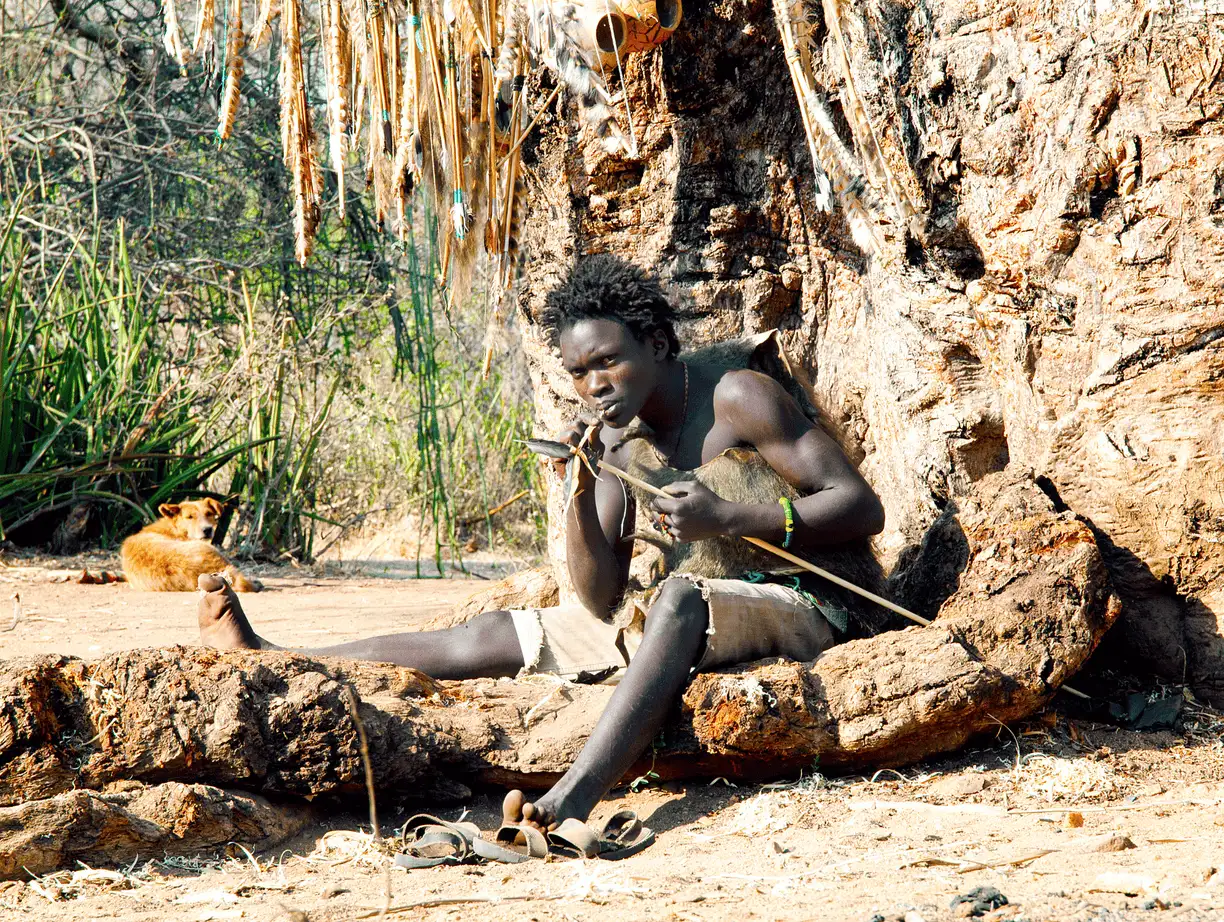
Lake Eyasi is especially famous as one of the principal homelands of the Hadzabe people, one of Tanzania’s small Indigenous communities whose cultural traditions have historically centered on hunting, gathering wild foods and an intimate knowledge of the surrounding natural environment. The wider area is also home to the Datoga people, traditionally known for pastoralism, cattle keeping and metalworking.
For travelers searching for an authentic Tanzania cultural safari, Lake Eyasi offers a striking contrast to conventional wildlife destinations such as Serengeti National Park and Ngorongoro Crater. The experience is not primarily about game drives or luxury lodges. It is about landscapes, people, traditional ecological knowledge and understanding how communities have adapted to a challenging semi arid environment.
A carefully organized visit may include an early morning experience with Hadzabe community members, learning about tracking and gathering practices, observing traditional archery, hearing the distinctive Hadzane language, visiting Datoga artisans and exploring the landscapes surrounding Lake Eyasi.
Responsible tourism is essential. The Hadzabe are living communities, not tourist attractions. Cultural experiences should therefore be conducted respectfully, with appropriate local coordination and meaningful benefits for participating community members.
At Martial Eagle Adventures, based in Arusha, Tanzania, we create carefully planned Lake Eyasi cultural experiences that can be combined with Ngorongoro Conservation Area, Serengeti National Park, Lake Manyara National Park and Tarangire National Park for a deeper exploration of northern Tanzania.
History of Lake Eyasi and the Hadzabe
The human history of the Lake Eyasi region stretches back thousands of years.
The Great Rift Valley and surrounding regions of northern Tanzania contain some of the world’s most important landscapes for understanding ancient human occupation and adaptation.
Lake Eyasi’s combination of water, woodland, rocky shelters, wild plants and animal resources has supported human communities across long periods of history.
Among the communities most closely associated with this landscape are the Hadzabe, whose traditional way of life has historically depended heavily on hunting wild animals and gathering naturally available foods.
Unlike agricultural communities that depend primarily on cultivated crops or pastoral communities centered around livestock, traditional Hadzabe subsistence has relied upon detailed knowledge of seasonal natural resources.
Wild foods traditionally gathered may include:
- Tubers
- Berries
- Fruits
- Seeds
- Baobab products
- Honey
Hunting traditions have involved bows and arrows and an extraordinary understanding of animal tracks, movement and behavior.
Hadzabe society has also historically been organized differently from many neighboring pastoral and agricultural communities, with relatively small and flexible camps that can change according to seasonal availability of food and water.
Another defining feature is the Hadzane language, which is linguistically distinctive and includes click consonants.
The language is an important part of Hadzabe identity and cultural heritage.
The Datoga People
The Lake Eyasi region is also associated with Datoga communities, whose cultural traditions differ significantly from those of the Hadzabe.
Datoga livelihoods have historically centered around:
- Cattle
- Goats and sheep
- Pastoralism
- Agriculture in some communities
- Metalworking
- Traditional craftsmanship
Datoga blacksmiths are particularly known for producing practical and decorative metal objects using traditional techniques.
Depending on community arrangements, visitors may observe artisans working with metal and learn about the importance of livestock, craftsmanship and family traditions.
The presence of both Hadzabe and Datoga communities makes Lake Eyasi one of northern Tanzania’s most fascinating destinations for travelers interested in cultural diversity.
Geography Size and Ecology of Lake Eyasi
Lake Eyasi lies within the Great Rift Valley system in northern Tanzania, southwest of the Ngorongoro Conservation Area.
The lake is elongated and shallow, stretching roughly 70 kilometers in length and varying considerably in width and surface area according to rainfall.
Because Lake Eyasi is highly seasonal, its exact dimensions change significantly.
During wetter periods, water spreads across larger sections of the basin.
During dry periods, the shoreline retreats dramatically, exposing mudflats, saline areas and open ground.
This constantly changing landscape is one of the defining characteristics of Lake Eyasi.
A Seasonal Soda Lake
Lake Eyasi is a shallow saline or soda lake.
It occupies a closed basin, meaning water entering the system does not simply flow onward toward the ocean through a major outlet.
Instead, evaporation plays an important role in determining lake levels and mineral concentrations.
The surrounding landscape consists of:
- Dry woodland
- Acacia vegetation
- Rocky hills
- Open grassland
- Seasonal wetlands
- Palm vegetation
- River channels
- Agricultural areas
- Bushland
The contrast between the lake basin and surrounding escarpments creates beautiful scenery, particularly during sunrise and sunset.
Rivers and Water Sources
Seasonal rivers and streams feed the Lake Eyasi basin.
Rainfall patterns in the surrounding highlands strongly influence the amount of water entering the lake.
During dry periods, water becomes especially important for:
- Local communities
- Livestock
- Birds
- Wildlife
- Agriculture
The seasonal availability of water has shaped both human and wildlife movement throughout the region.
Ecology Around Lake Eyasi
Lake Eyasi supports a distinctive semi arid ecosystem.
The surrounding bushland contains plants adapted to seasonal rainfall and prolonged dry periods.
Baobab trees, acacias and drought resistant vegetation form characteristic parts of the landscape.
Wild plants are particularly important within traditional Hadzabe knowledge systems.
Community members may identify plants according to:
- Food value
- Seasonal availability
- Traditional uses
- Honey production
- Wildlife relationships
- Environmental indicators
This detailed ecological knowledge is one of the most fascinating aspects of a responsibly organized Hadzabe cultural experience.
Wildlife Around Lake Eyasi
Lake Eyasi is not a conventional national park and should not be approached as a high density wildlife safari destination.
However, wildlife occurs throughout the broader landscape.
Depending on location and season, the wider ecosystem may support:
- Baboons
- Monkeys
- Small antelopes
- Dik diks
- Warthogs
- Jackals
- Small mammals
- Reptiles
- Numerous bird species
For most visitors, wildlife viewing is secondary to cultural and landscape experiences.
Birdlife at Lake Eyasi
Lake Eyasi can provide rewarding birdwatching, particularly when seasonal water conditions create suitable feeding habitats.
Visitors may encounter:
- Flamingos when conditions are suitable
- Pelicans
- Storks
- Herons
- Egrets
- Kingfishers
- Raptors
- Waders
- Dryland birds
- Migratory species
Bird numbers vary significantly according to lake levels, rainfall and food availability.
Accessibility to Lake Eyasi
Lake Eyasi can be incorporated conveniently into a Northern Tanzania safari itinerary.
Most travelers approach the region through Karatu after visiting Lake Manyara or Ngorongoro.
Traveling From Arusha
The journey from Arusha to Lake Eyasi generally requires several hours by road, depending on traffic, road conditions and the final community or accommodation location.
A typical route passes through areas such as:
- Makuyuni
- Mto wa Mbu
- Karatu
- Great Rift Valley landscapes
From Karatu, roads descend toward the Lake Eyasi basin.
A reliable safari vehicle is recommended, particularly during wet periods when some roads can become difficult.
Traveling From Karatu
Karatu is one of the most convenient starting points for Lake Eyasi.
Travelers staying around Karatu can depart for Lake Eyasi and stay overnight closer to the lake.
An overnight stay is highly recommended for travelers interested in an early morning Hadzabe experience.
Traveling From Ngorongoro
Lake Eyasi combines naturally with the Ngorongoro Conservation Area.
A popular itinerary may include:
- Ngorongoro Crater safari
- Overnight near Karatu or Lake Eyasi
- Early morning Hadzabe cultural experience
- Datoga community visit
- Continuation toward another Northern Circuit destination
This combination adds a cultural dimension to a wildlife focused safari.
Traveling From Serengeti
Lake Eyasi can also be incorporated before or after Serengeti depending on the selected route and itinerary.
Travelers may combine:
- Serengeti National Park
- Ngorongoro Conservation Area
- Lake Eyasi
- Lake Manyara National Park
- Tarangire National Park
This creates an excellent combination of wildlife, landscapes and cultural experiences.
Best Time to Visit Lake Eyasi
Lake Eyasi can be visited throughout much of the year, although road conditions, temperatures and landscapes change seasonally.
June to October
The dry season from June through October is one of the most popular periods for visiting.
Visitors may experience:
- Drier roads
- Comfortable early morning activities
- Easier walking conditions
- Open landscapes
- Excellent cultural experiences
- Clear photography conditions
Daytime temperatures can become warm, so many activities are best enjoyed early in the morning.
January to February
January and February can also provide rewarding conditions.
The landscape may retain greener vegetation following seasonal rainfall.
Travelers can enjoy:
- Cultural experiences
- Birdwatching
- Landscape photography
- Warm weather
- Easy combination with Northern Circuit safaris
This period can be especially attractive when combining Lake Eyasi with the southern Serengeti and Ndutu region.
November to December
Short seasonal rains may transform the landscape.
Visitors may experience:
- Greener vegetation
- Increased birdlife
- Dramatic skies
- Beautiful photography
- Changing lake levels
Road conditions should be considered after heavy rainfall.
March to May
The main rainy season generally occurs from March through May.
The landscape becomes greener and water levels may rise.
Visitors should prepare for:
- Muddy roads
- Rainfall
- Higher humidity
- Difficult access to selected locations
- Changing community activity patterns
Travel remains possible depending on conditions, but careful logistical planning is recommended.
Common Activities at Lake Eyasi
Lake Eyasi offers cultural, walking, photographic and nature based activities rather than traditional game drives.
Hadzabe Cultural Experience
The Hadzabe cultural experience is the main reason many travelers visit Lake Eyasi.
Visits are typically arranged with local community members and interpreters who help facilitate respectful communication.
Travelers may learn about:
- Traditional hunting knowledge
- Tracking
- Wild food gathering
- Honey collection traditions
- Archery
- Camp life
- Fire making techniques
- Hadzane language
- Environmental knowledge
The experience should be approached as an opportunity for cultural exchange rather than as a staged performance.
Early Morning Experience
Hadzabe activities often begin very early in the morning.
The cooler hours are traditionally more suitable for moving through the bush, gathering resources and tracking.
Travelers should prepare for an early departure from their accommodation.
A morning experience may involve walking through:
- Bushland
- Rocky landscapes
- Dry riverbeds
- Acacia woodland
- Traditional resource areas
The exact experience varies because community activities are influenced by season, location and daily needs.
Traditional Tracking Skills
One of the most fascinating aspects of Hadzabe knowledge is the ability to interpret signs within the landscape.
Experienced community members may identify:
- Animal footprints
- Broken vegetation
- Droppings
- Feeding signs
- Bird behavior
- Seasonal plant indicators
These skills demonstrate an extraordinary level of environmental awareness developed through generations of interaction with the landscape.
Traditional Archery
Bows and arrows have historically played an important role within Hadzabe hunting traditions.
Visitors may learn about:
- Bow construction
- Arrow design
- Shooting techniques
- Hunting knowledge
- Traditional craftsmanship
Depending on the community and arrangements, travelers may have an opportunity to practice target archery under supervision.
Gathering Wild Foods
Gathering is an important part of traditional Hadzabe subsistence.
Community members possess detailed knowledge of edible plants and seasonal resources.
Visitors may learn about foods such as:
- Tubers
- Berries
- Fruits
- Baobab products
- Honey
The availability of particular foods depends entirely on the season.
Fire Making
Traditional fire making demonstrations may form part of a cultural visit.
Visitors can observe how fire can be created using locally available natural materials and traditional techniques.
The experience demonstrates the practical knowledge required for life within a dry woodland environment.
Learning About the Hadzane Language
The Hadzane language is one of the most fascinating aspects of Hadzabe cultural heritage.
Visitors may hear its distinctive click consonants during conversations.
Learning a few greetings or simple expressions through an interpreter can create a more personal cultural exchange.
Datoga Cultural Experience
A visit to a Datoga community provides an interesting contrast to the Hadzabe experience.
Visitors may learn about:
- Pastoral traditions
- Cattle keeping
- Family life
- Traditional homes
- Metalworking
- Craftsmanship
- Clothing
- Community traditions
Combining Hadzabe and Datoga experiences helps travelers appreciate the cultural diversity surrounding Lake Eyasi.
Datoga Blacksmith Experience
Traditional Datoga blacksmithing is particularly fascinating.
Artisans may demonstrate how metal is heated and shaped into practical objects.
Visitors can learn about the role of craftsmanship within the local economy and traditional society.
Lake Eyasi Walking Experiences
Guided walks around selected sections of the Lake Eyasi landscape allow visitors to appreciate:
- Rift Valley scenery
- Local vegetation
- Birdlife
- Seasonal wetlands
- Village landscapes
- Agricultural areas
- Sunset views
These walks are particularly rewarding for photographers and nature lovers.
Birdwatching
Birdwatching can be combined with cultural visits.
The best areas vary according to water levels.
Travelers should bring binoculars if birding is an important interest.
Photography
Lake Eyasi offers excellent opportunities for:
- Landscape photography
- Cultural photography
- Bird photography
- Sunrise photography
- Sunset photography
- Documentary travel photography
Visitors should always ask permission before photographing people, particularly during close cultural encounters.
Respectful photography creates a better experience for both visitors and host communities.
Accommodation Options Around Lake Eyasi
Accommodation around Lake Eyasi ranges from comfortable safari lodges and tented camps to simpler guest facilities.
Staying near the lake is highly recommended because Hadzabe activities often begin very early.
Safari Lodges
Comfortable lodges may provide:
- En suite rooms
- Private verandas
- Restaurant facilities
- Gardens
- Swimming pools at selected properties
- Cultural activity arrangements
- Scenic views
These properties provide a relaxing base after a day of exploration.
Tented Camps
Tented accommodation provides a stronger connection with the surrounding landscape.
Facilities may include:
- Comfortable safari tents
- En suite bathrooms
- Outdoor seating
- Dining facilities
- Campfire areas
- Guided activities
Tented camps are especially suitable for travelers looking for a classic safari atmosphere.
Mid Range Accommodation
Mid range lodges and camps provide comfortable facilities at more moderate prices.
Typical amenities may include:
- Private rooms
- Bathrooms
- Meals
- Parking
- Cultural tour arrangements
- Local guides
These properties are suitable for families, couples and small groups.
Accommodation in Karatu
Travelers can also stay in Karatu, where accommodation options range from guesthouses to luxury lodges.
However, travelers planning an early morning Hadzabe experience may find accommodation closer to Lake Eyasi more convenient.
Why Visit Lake Eyasi and the Hadzabe
Lake Eyasi offers something fundamentally different from Tanzania’s national parks.
The destination is particularly recommended for travelers interested in:
- Hadzabe cultural experiences
- Indigenous knowledge
- Responsible cultural tourism
- Datoga traditions
- Traditional archery
- Traditional tracking
- Birdwatching
- Landscape photography
- Great Rift Valley scenery
- Northern Tanzania cultural safaris
- Educational family travel
- Off the beaten path Tanzania experiences
The greatest value of visiting Lake Eyasi lies in listening, observing and learning.
Responsible Hadzabe Tourism
Responsible tourism is particularly important when visiting Indigenous communities.
Travelers should remember that the Hadzabe are people living contemporary lives while maintaining aspects of longstanding cultural traditions.
Visitors should:
- Follow the guidance of local hosts and professional guides
- Ask permission before photographing people
- Respect personal boundaries
- Avoid treating cultural practices as performances
- Avoid intrusive questioning
- Respect community decisions about what may be shared
- Use community approved interpreters
- Support experiences that provide direct local benefits
- Avoid giving inappropriate gifts directly to children
- Respect cultural differences
- Keep groups reasonably small where possible
The goal should be meaningful cultural exchange based on dignity and mutual respect.
Lake Eyasi Cultural Experience
A typical Lake Eyasi experience begins before sunrise.
While the surrounding hills remain dark, travelers leave their lodge and travel toward the agreed meeting point.
As daylight begins spreading across the Great Rift Valley, the landscape slowly reveals acacia trees, rocky hills and dry woodland.
After meeting community members and an interpreter, visitors may walk through the surrounding landscape.
Instead of simply being told about traditional knowledge, travelers can see how environmental signs are interpreted.
Footprints in the soil reveal animal movements.
Plants that appear ordinary to an unfamiliar eye may provide food or have other traditional uses.
Bird calls may provide information about activity within the bush.
Later, visitors may observe archery skills or learn how traditional fire making works.
The experience may then continue to a Datoga community, where pastoral traditions and metalworking provide an entirely different perspective on life around Lake Eyasi.
By the end of the day, Lake Eyasi often leaves travelers with something more meaningful than a collection of photographs.
It provides a deeper appreciation of the extraordinary cultural diversity of Tanzania.
Combine Lake Eyasi With Ngorongoro
Lake Eyasi combines particularly well with the Ngorongoro Conservation Area.
A journey may include:
- Ngorongoro Crater game drive
- Overnight around Lake Eyasi
- Early morning Hadzabe experience
- Datoga community visit
- Return to Karatu or continuation toward another safari destination
This combination allows travelers to experience both world class wildlife and cultural heritage.
Combine Lake Eyasi With Serengeti
Travelers can also incorporate Lake Eyasi into a longer Serengeti safari.
A possible route includes:
- Arusha
- Tarangire National Park
- Lake Manyara National Park
- Lake Eyasi
- Ngorongoro Conservation Area
- Serengeti National Park
This creates a rich Northern Tanzania safari itinerary combining wildlife, landscapes and cultural experiences.
Lake Eyasi for Photographers
Photographers will find excellent opportunities throughout the region.
Popular subjects include:
- Rift Valley landscapes
- Lake Eyasi
- Baobab trees
- Traditional activities
- Portraiture with permission
- Birds
- Sunrise
- Sunset
- Village landscapes
- Datoga craftsmanship
Cultural photography should
Read Reviews


Follow us
- Martial Eagle Adventures
- @martialeagleadventures
- +255 652 283 399
- +255 652 283 399
- sales@martialeagleadventures.com
- Arusha, Tanzania
We Accept