
Ruaha National Park

Discover Ruaha National Park With Martial Eagle Adventures

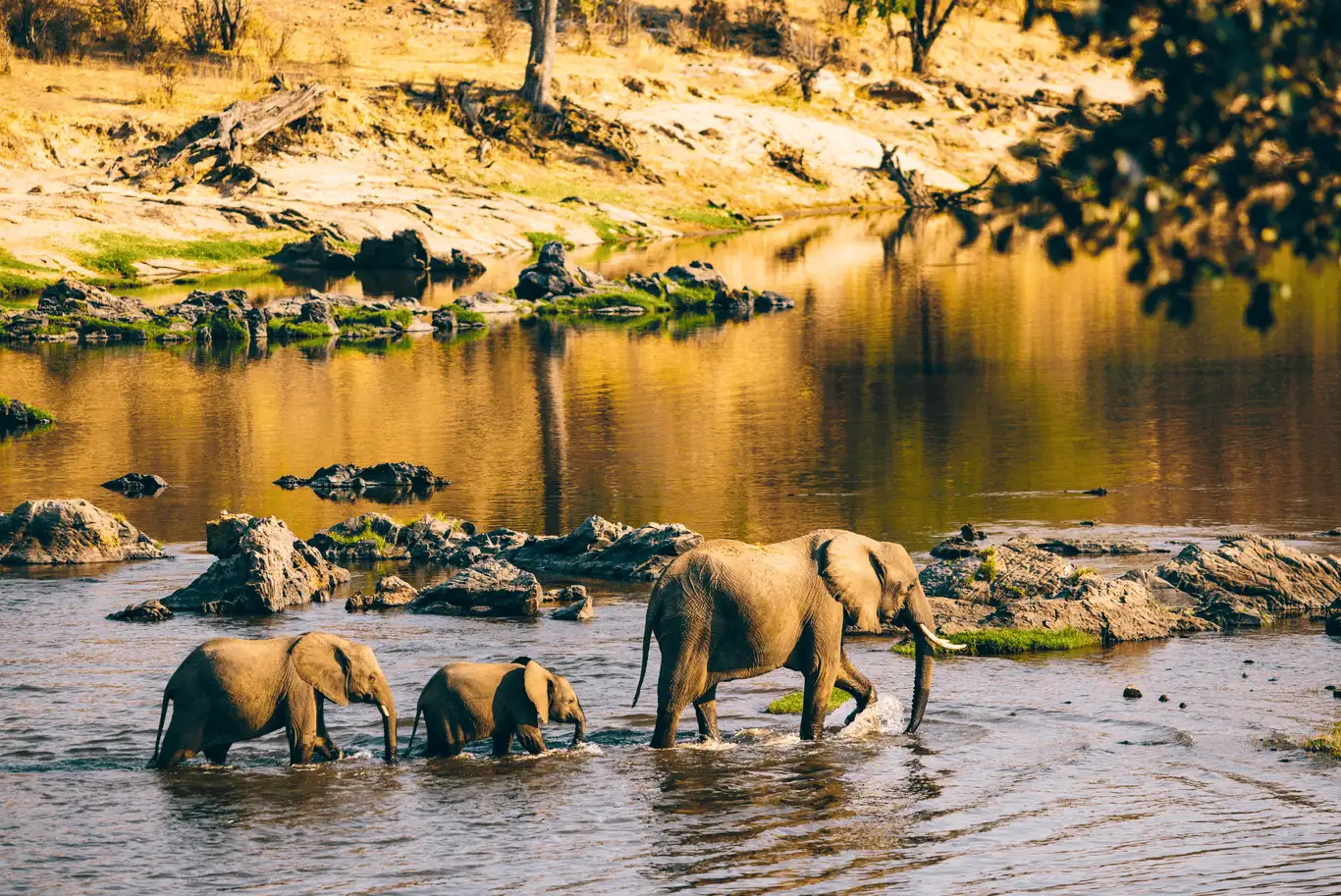
Deep in the heart of southern Tanzania lies Ruaha National Park, a vast and rugged wilderness where enormous baobab trees rise above dry riverbeds, elephants move silently through miombo woodland, lions patrol open plains and the Great Ruaha River becomes a lifeline for thousands of animals during the dry season. For travelers searching for a more remote and authentic Tanzania safari experience, Ruaha offers one of the most rewarding journeys in East Africa.
Ruaha National Park is part of Tanzania’s celebrated Southern Safari Circuit and is especially known for its remarkable predator populations, large elephant herds, dramatic landscapes and relatively low visitor numbers. Unlike some of Tanzania’s busier northern parks, Ruaha maintains an exceptional sense of wilderness. Game drives can continue for long stretches without encountering another safari vehicle, giving visitors the feeling of exploring one of Africa’s last truly wild landscapes.
The park is particularly famous for lions, leopards, African wild dogs, cheetahs, elephants, buffaloes, giraffes, zebras, greater kudu, sable antelopes, roan antelopes and hundreds of bird species. The meeting of eastern and southern African ecological zones creates a distinctive combination of wildlife rarely experienced together elsewhere in Tanzania.
At Martial Eagle Adventures, based in Arusha, Tanzania, we create customized Ruaha National Park safaris for travelers seeking exceptional wildlife viewing, photography, remote wilderness and authentic African safari experiences. Whether you are planning a dedicated Southern Tanzania safari, a luxury fly in safari or a longer journey combining Ruaha with Nyerere National Park and other destinations, Ruaha offers an unforgettable adventure.
History of Ruaha National Park
The history of Ruaha National Park is closely connected to conservation efforts designed to protect one of Tanzania’s most biologically significant wilderness regions.
Long before the creation of the national park, the landscapes surrounding the Great Ruaha River supported local communities, pastoral societies and abundant wildlife. The river was an important seasonal source of water for both people and animals, while the surrounding woodland, grasslands and hills provided essential habitats for numerous species.
Conservation efforts in the area began during the colonial period when parts of the region were designated as protected wildlife zones. Ruaha was initially established as a game reserve before receiving national park status in 1964.
Over the following decades, the park’s boundaries were expanded as conservation authorities recognized the importance of protecting surrounding ecosystems and wildlife corridors.
Ruaha eventually became one of Tanzania’s largest national parks and an essential component of the wider Ruaha Rungwa ecosystem, a vast landscape that includes neighboring wildlife management areas, game reserves and community lands.
The park has become especially important for the conservation of large carnivores.
Ruaha supports significant populations of:
- African lions
- Leopards
- Spotted hyenas
- African wild dogs
- Cheetahs
The wider Ruaha ecosystem is regarded as one of Africa’s most important strongholds for large carnivores, particularly lions.
The park is also historically important for elephant conservation. Although elephant populations across parts of East Africa have faced pressure from poaching in different periods, Ruaha remains one of Tanzania’s most important elephant landscapes.
Key historical and conservation highlights include:
- Early designation as a protected wildlife area
- Establishment as Ruaha National Park in 1964
- Subsequent expansion of the protected area
- Protection of the Great Ruaha River ecosystem
- Conservation of important elephant populations
- Major role in African lion conservation
- Protection of African wild dogs and other threatened carnivores
- Integration within the larger Ruaha Rungwa ecosystem
Today, Ruaha represents one of Tanzania’s most important wilderness conservation areas and one of the finest destinations for travelers seeking a remote African safari.
Geography Size and Ecology of Ruaha National Park
Ruaha National Park covers approximately 20,226 square kilometers, making it one of the largest national parks in Tanzania and East Africa.
Its enormous size creates a remarkable variety of habitats.
The park is located in south central Tanzania and forms part of a transitional ecological zone between East African savannah and Southern African miombo woodland.
This geographical position explains why Ruaha contains wildlife species associated with both eastern and southern Africa.
The park’s terrain consists of:
- Miombo woodland
- Acacia savannah
- Open grasslands
- Rocky hills
- River valleys
- Seasonal sand rivers
- Baobab woodland
- Escarpments
- Dry riverbeds
- Riverine forest
The dramatic combination of these habitats creates outstanding opportunities for wildlife viewing and landscape photography.
The Great Ruaha River
The Great Ruaha River is the ecological heart of Ruaha National Park.
The river flows through sections of the park and provides an essential source of water for wildlife, especially during the dry season.
As surrounding water sources disappear, animals increasingly gather along the river and remaining pools.
Visitors may encounter:
- Elephants drinking along the riverbanks
- Hippos in permanent pools
- Crocodiles
- Buffaloes
- Antelopes
- Lions
- Leopards
- Numerous waterbirds
The river creates some of the park’s most productive game viewing areas.
The dry season concentration of wildlife around remaining water makes Ruaha especially famous for dramatic predator and prey interactions.
Miombo Woodland
Large sections of Ruaha are covered by miombo woodland, an ecosystem dominated by species of Brachystegia and related trees.
Miombo woodland creates excellent habitat for several species rarely seen in Tanzania’s better known northern parks.
These include:
- Greater kudu
- Sable antelope
- Roan antelope
- Lichtenstein’s hartebeest
The woodland also supports elephants, leopards, wild dogs and diverse birdlife.
Baobab Landscapes
Ruaha is famous for its magnificent baobab trees.
These enormous trees create some of the park’s most iconic landscapes.
Their thick trunks, unusual shapes and ancient appearance make them especially popular with photographers.
Baobabs also play an important ecological role by providing food and shelter for insects, birds and mammals.
Elephants occasionally strip bark from baobab trees in search of moisture and nutrients.
Wildlife of Ruaha National Park
Ruaha National Park supports an extraordinary variety of wildlife.
Large mammals commonly seen include:
- African elephants
- Cape buffaloes
- Giraffes
- Zebras
- Impalas
- Greater kudus
- Sable antelopes
- Roan antelopes
- Waterbucks
- Elands
- Warthogs
- Hippopotamuses
- Crocodiles
One of Ruaha’s greatest attractions is its exceptional predator population.
Predators include:
- Lions
- Leopards
- African wild dogs
- Cheetahs
- Spotted hyenas
- Jackals
Ruaha is particularly famous for its large lion prides.
Because of the park’s vast wilderness and abundant prey, visitors have the opportunity to witness impressive predator behavior in relatively undisturbed surroundings.
Birdlife in Ruaha National Park
Ruaha is also an outstanding destination for birdwatching safaris in Tanzania.
More than 500 bird species have been recorded within the broader ecosystem.
Birdlife reflects the park’s location between eastern and southern African ecological regions.
Birdwatchers may encounter:
- African fish eagles
- Hornbills
- Kingfishers
- Bee eaters
- Raptors
- Vultures
- Herons
- Storks
- Ground hornbills
- Sunbirds
- Migratory species
Ruaha is particularly rewarding during the green season when migratory birds arrive and breeding activity increases.
Accessibility to Ruaha National Park
Ruaha National Park is more remote than many Northern Circuit safari destinations, which is one reason it remains relatively uncrowded.
Most visitors reach the park either by domestic flight or road transfer.
Traveling by Air
Flying is one of the most convenient ways to reach Ruaha.
Scheduled and charter flights may operate from major tourism centers such as:
- Dar es Salaam
- Zanzibar
- Arusha
- Other safari destinations
Flights usually land at airstrips within or near the park.
A fly in safari is especially attractive for travelers who want to maximize wildlife viewing time and reduce long road journeys.
Luxury safari itineraries often combine Ruaha with other southern destinations using domestic flights.
Traveling by Road
Ruaha can also be reached by road, commonly through the Iringa region.
The journey from Iringa to Ruaha National Park can take several hours depending on road conditions and the selected gate or lodge.
Traveling by road provides an opportunity to experience rural Tanzania and surrounding landscapes.
A reliable 4×4 safari vehicle is recommended, especially during or shortly after the rainy season.
Traveling From Arusha
Because Martial Eagle Adventures is based in Arusha, travelers may begin their Tanzania journey in the north and connect to Ruaha through domestic flights or longer customized itineraries.
Ruaha can be combined with northern destinations for travelers seeking a comprehensive Tanzania safari covering both the Northern and Southern Circuits.
Possible combinations include:
- Serengeti National Park
- Ngorongoro Conservation Area
- Tarangire National Park
- Ruaha National Park
- Nyerere National Park
Such itineraries reveal the extraordinary ecological diversity of Tanzania.
Best Time to Visit Ruaha National Park
Ruaha National Park can be visited throughout much of the year, but seasonal changes significantly influence wildlife viewing, landscapes and accessibility.
June to October
The dry season from June through October is widely considered the best period for classic wildlife viewing.
As the landscape becomes increasingly dry, animals concentrate around the Great Ruaha River and remaining water sources.
Visitors may enjoy:
- Excellent elephant sightings
- Large buffalo herds
- Strong predator activity
- Easier wildlife visibility
- Comfortable daytime game drives
- Excellent photography
- Good road conditions
- High chances of observing lions and other carnivores
The months between July and October can be particularly dramatic as water becomes scarce and wildlife gathers around rivers and pools.
November to December
The short rains generally begin around November.
The dry landscape gradually transforms into fresh green vegetation.
This season may offer:
- Beautiful green scenery
- Fewer visitors
- Excellent birdwatching
- Migratory birds
- Dramatic skies
- Newborn animals
Some wildlife becomes more dispersed as seasonal water sources return.
January to February
January and February generally remain green and can provide rewarding safari experiences.
These months are excellent for:
- Birdwatching
- Landscape photography
- Calving and young animals
- Fewer safari vehicles
- Lush vegetation
Predator sightings can remain excellent, although thicker vegetation may make some animals more difficult to spot.
March to May
The main rainy season usually occurs from approximately March through May.
Heavy rainfall may make some roads difficult and some seasonal camps may close.
However, this period produces spectacular green scenery and rich birdlife.
Travelers visiting during the wetter months should consider:
- Road accessibility
- Camp operating schedules
- Weather conditions
- Domestic flight availability
For travelers primarily interested in large mammals and predators, June through October is generally the most recommended period.
For birdwatching, lush landscapes and quieter safari experiences, the green season can be extremely rewarding.
Common Activities in Ruaha National Park
Ruaha offers classic safari activities combined with the atmosphere of an immense African wilderness.
Game Drives
Game drives in Ruaha National Park are the primary safari activity.
Professional safari vehicles explore river valleys, woodland, plains and seasonal water sources in search of wildlife.
Morning and late afternoon drives are particularly productive because animals are often more active during cooler periods.
Possible sightings include:
- Lions
- Leopards
- African wild dogs
- Elephants
- Buffaloes
- Giraffes
- Zebras
- Greater kudus
- Sable antelopes
- Roan antelopes
- Hippos
- Crocodiles
Ruaha’s low visitor density creates a particularly exclusive game viewing experience.
It is not unusual to enjoy wildlife sightings with very few other safari vehicles nearby.
Predator Viewing
Ruaha is one of Tanzania’s premier destinations for travelers interested in predators.
The park’s healthy prey populations support large numbers of carnivores.
Visitors may observe:
- Lions hunting or resting
- Leopards around riverine woodland
- African wild dog packs
- Spotted hyenas
- Cheetahs in more open landscapes
The possibility of observing predator behavior in a remote setting makes Ruaha especially attractive to serious safari enthusiasts and photographers.
Birdwatching
Birdwatching is rewarding throughout the year.
A dedicated Ruaha birding safari may focus on:
- Raptors
- Woodland birds
- Waterbirds
- Migratory species
- Southern African species
- East African species
The park’s transitional ecology makes it particularly interesting to experienced birders.
Wildlife Photography
Ruaha is one of Tanzania’s finest destinations for professional and amateur wildlife photographers.
Photographic highlights include:
- Lions beneath baobab trees
- Elephant herds crossing dry riverbeds
- Leopards in woodland
- African wild dogs
- Baobab landscapes
- Great Ruaha River scenes
- Large buffalo herds
- Sunsets over miombo woodland
The relatively small number of vehicles can give photographers greater flexibility and quieter wildlife encounters.
Walking Safaris
Selected camps and areas may offer professionally guided walking safaris, depending on regulations, season and operational arrangements.
Walking allows visitors to explore the African wilderness from a completely different perspective.
Guides may explain:
- Animal tracks
- Plants
- Insects
- Birdlife
- Smaller wildlife
- Ecosystem relationships
- Traditional uses of certain plants
Walking safaris focus less on approaching large animals and more on understanding the subtle details of the wilderness.
Bush Breakfasts and Sundowners
Some safari camps organize private or small group bush experiences.
These may include:
- Bush breakfasts
- Sundowner drinks
- Scenic viewpoints
- Private dining experiences
- Campfire evenings
Watching the sun disappear behind distant hills while surrounded by the sounds of Ruaha is one of the most memorable experiences of a luxury Tanzania safari.
Accommodation Options in Ruaha National Park
Ruaha offers a variety of safari accommodations ranging from exclusive luxury camps to comfortable tented camps and simpler lodges.
Because the park is remote, most properties are designed to provide an immersive wilderness experience.
Luxury Safari Camps
Luxury camps in Ruaha combine high levels of comfort with secluded wilderness locations.
Guests may enjoy:
- Spacious safari suites
- Private verandas
- En suite bathrooms
- Fine dining
- Private safari vehicles
- Personalized guiding
- Swimming pools at selected properties
- Bush dining
- Sundowners
- Excellent wildlife locations
These camps are ideal for honeymooners, photographers and travelers seeking an exclusive safari.
Luxury Tented Camps
Tented camps provide an authentic safari atmosphere without sacrificing comfort.
Typical features may include:
- Large canvas tents
- Comfortable beds
- Private bathrooms
- Outdoor seating
- Dining areas
- Campfire lounges
- Views over rivers or plains
- Personalized safari services
Sleeping in a tented camp allows guests to remain closely connected to the sounds and atmosphere of the African wilderness.
Mid Range Safari Camps
Mid range camps provide excellent value while maintaining comfortable facilities.
They may include:
- En suite accommodation
- Restaurant areas
- Safari activities
- Solar power
- Comfortable beds
- Shared lounge spaces
- Guided game drives
These properties are suitable for travelers seeking authentic safari experiences without premium luxury pricing.
Seasonal Camps
Some properties operate seasonally, particularly during the peak dry season.
Seasonal camps are often positioned close to productive wildlife areas and may offer intimate experiences with limited numbers of guests.
Travelers planning a Ruaha safari should always consider accommodation availability based on their travel dates.
Why Visit Ruaha National Park
Ruaha National Park is particularly suitable for travelers who want something deeper than a conventional safari.
Its enormous landscapes, strong predator populations and low visitor numbers create an extraordinary sense of freedom and wilderness.
Ruaha is highly recommended for:
- Wildlife photographers
- Lion enthusiasts
- Elephant lovers
- African wild dog enthusiasts
- Birdwatchers
- Luxury safari travelers
- Honeymooners
- Repeat visitors to Tanzania
- Adventure travelers
- Travelers seeking uncrowded safaris
- Southern Tanzania safari itineraries
- Remote wilderness experiences
For travelers who have already experienced Serengeti and Ngorongoro, Ruaha reveals an entirely different character of Tanzania.
Ruaha Wildlife Safari Experience
A typical day in Ruaha begins before sunrise.
Guests may wake to the distant calls of birds, lions or other wildlife before enjoying coffee or tea at camp.
An early morning game drive then explores the wilderness while temperatures remain cool.
Morning hours provide excellent opportunities for predator sightings, elephant encounters and photography.
After returning to camp, guests may enjoy breakfast or lunch followed by time to relax during the hottest part of the day.
In the late afternoon, the safari continues as wildlife becomes active again.
The day may finish with a sundowner overlooking the river or plains before returning to camp for dinner beneath the African night sky.
This relaxed rhythm allows visitors to experience Ruaha rather than simply pass through it.
Combine Ruaha With a Southern Tanzania Safari
Ruaha National Park works beautifully as part of a wider Southern Tanzania safari itinerary.
One of the most rewarding combinations includes:
- Ruaha National Park
- Nyerere National Park
- Mikumi National Park
These destinations provide remarkably different safari experiences.
Ruaha is known for its dry woodland landscapes and predators, while Nyerere offers rivers, lakes, boat safaris and vast wilderness.
Travelers with more time can also combine Ruaha with:
- Udzungwa Mountains National Park
- Mikumi National Park
- Zanzibar
- Mafia Island
- Northern Tanzania safari destinations
Adding Zanzibar or Mafia Island after Ruaha creates an excellent Tanzania safari and beach holiday.
Ruaha for Photographers
Ruaha has developed a strong reputation among serious wildlife photographers because of its uncrowded conditions and distinctive landscapes.
Photography opportunities include:
- Large lion prides
- Leopards
- African wild dogs
- Elephants
- Baobab trees
- Dry riverbeds
- Sunrise wildlife scenes
- Dramatic sunsets
- Birds of prey
- Predator interactions
Longer stays are especially recommended for photographers because Ruaha rewards patience.
Spending several nights allows guides to follow wildlife movements and revisit productive areas under different lighting conditions.
Ruaha for Honeymoon Safaris
Couples seeking privacy and exclusivity may find Ruaha particularly appealing.
The remote environment, intimate safari camps and quiet landscapes create excellent conditions for a Tanzania honeymoon safari.
Romantic experiences may include:
- Private game drives
- Sundowners
- Bush dinners
- Private verandas
- Candlelit dining
- Remote wilderness views
- Luxury tented accommodation
Ruaha can also be combined with Zanzibar for a complete safari and beach honeymoon.
Responsible Tourism in Ruaha National Park
Ruaha is an environmentally sensitive wilderness, and responsible tourism plays an important role in its long term protection.
Visitors should:
- Follow park rules
- Respect wildlife viewing distances
- Avoid excessive noise
- Never feed wildlife
- Minimize plastic waste
- Respect professional guide instructions
- Stay on permitted routes
- Support responsible lodges and camps
- Avoid disturbing predators during hunts
- Respect local communities outside the park
Responsible tourism contributes to wildlife protection and helps preserve Ruaha for future generations.
Essential Travel Tips for Ruaha National Park
Travelers preparing for a Ruaha safari should consider the park’s remote environment.
Useful items include:
- Lightweight neutral safari clothing
- Warm layers for early morning drives
- Comfortable closed shoes
- Sun hat
- Sunglasses
- Sunscreen
- Insect repellent
- Binoculars
- Camera equipment
- Reusable water bottle
- Personal medication
- Dust protection for cameras
Because many lodges operate in remote locations, travelers should bring essential personal items rather than expecting easy access to shops.
Plan Your Ruaha Safari With Martial Eagle Adventures
Journey into one of Tanzania’s greatest remaining wildernesses with Martial Eagle Adventures, your locally based safari company in Arusha, Tanzania.
Ruaha National Park is a destination for travelers who want to experience Africa on a grand scale. Here, enormous landscapes stretch far beyond the horizon, ancient baobabs stand beneath vast skies and the Great Ruaha River brings predators and prey together in one of Tanzania’s most dramatic wildlife environments.
Whether you are planning a Ruaha National Park safari, Southern Tanzania safari, luxury fly in safari, wildlife photography expedition, honeymoon safari or Ruaha and Nyerere combination, our team can customize every stage of your journey according to your interests, accommodation preferences and available travel time.
Follow lion prides through open woodland, watch elephants gather beside the Great Ruaha River, search for African wild dogs across remote plains and experience evenings where the sounds of the wilderness replace the noise of everyday life.
With its exceptional wildlife, low visitor numbers and vast untouched scenery, Ruaha offers something increasingly rare in modern travel: the feeling of being genuinely immersed in the wild.
Explore Ruaha National Park with Martial Eagle Adventures and discover a side of Tanzania where raw wilderness, exceptional predators, ancient baobabs and unforgettable safari moments come together far beyond the crowds.
Read Reviews


Follow us
- Martial Eagle Adventures
- @martialeagleadventures
- +255 652 283 399
- +255 652 283 399
- sales@martialeagleadventures.com
- Arusha, Tanzania
We Accept